Kanto > Kanagawa(Hakone・Yugawara) > Hakone Yumoto Onsen
A hot spring inn where you can enjoy bathing in a rich, therapeutic hot spring water source
Hakone KAMON
箱根 花紋
435, Yumoto, Hakone-machi, Ashigarashimo-gun, Kanagawa-ken, 250-0311, JAPAN
Phone:+81-(0)460-85-5050
Spring Quality
Sodium, Calcium –
Chloride / Sulfate springs
ナトリウム・カルシウム-塩化物・硫酸塩泉
(Hypotonic, Weakly Alkaline, High temperature Spring)
Rich hot spring offering beauty, warmth, anti-aging, bactericidal properties, and mental wellness benefits
Hot springs are believed to form when rainwater or snowmelt seeps underground, or when ancient seawater becomes trapped deep within the earth. Heated by magma or the earthʼs internal heat, this water dissolves minerals from underground rocks and slowly rises to the surface over years—or even tens of thousands of years.
Onsen Components
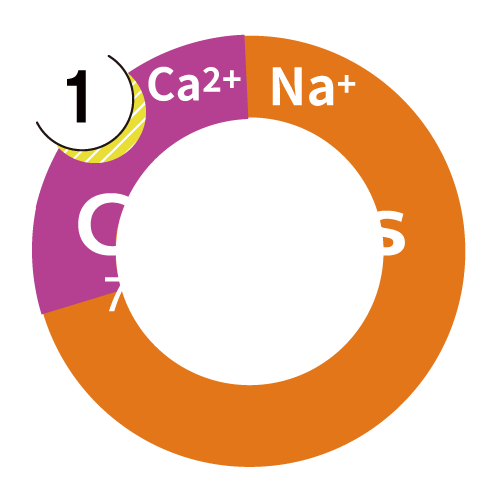
569 mg/kg
70.62 mval%
■ Moisturizes and helps soothe dry skin
■ Relieves muscle tension and eases pain
■ Promotes blood circulation, helping to reduce sensitivity to cold
■ Stimulates metabolism and supports natural detoxification
203 mg/kg
28.39 mval%
■ Promotes the formation and regeneration of the stratum corneum
■ Soothes pain and inflammation
■ Regulates the contraction and dilation of blood vessels
■ Strengthens the skin’s barrier function
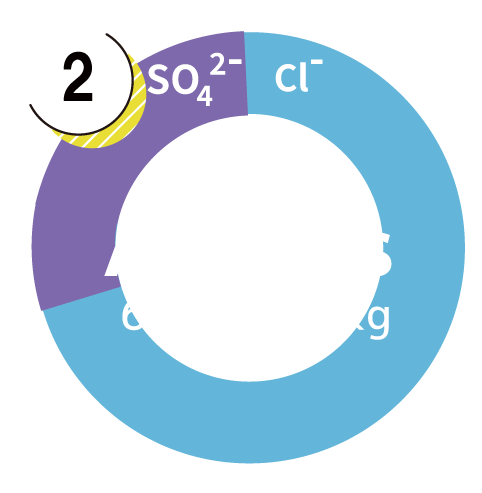
971 mg/kg
69.05 mval%
■ Effective for minor cuts due to the bactericidal effect of salt
■ Salt coats the skin, helping lock in warmth
■ Sustained warmth helps balance the autonomic nervous system
■ Salt coating helps lock in moisture
564 mg/kg
29.61 mval%
■ Dilates blood vessels and promotes blood circulation to the extremities
■ Regulates the autonomic nervous system through the warming effect of increased blood flow
■ Promotes skin turnover to restore firmness and elasticity
■ Supports recovery from skin issues such as dry skin and minor cuts
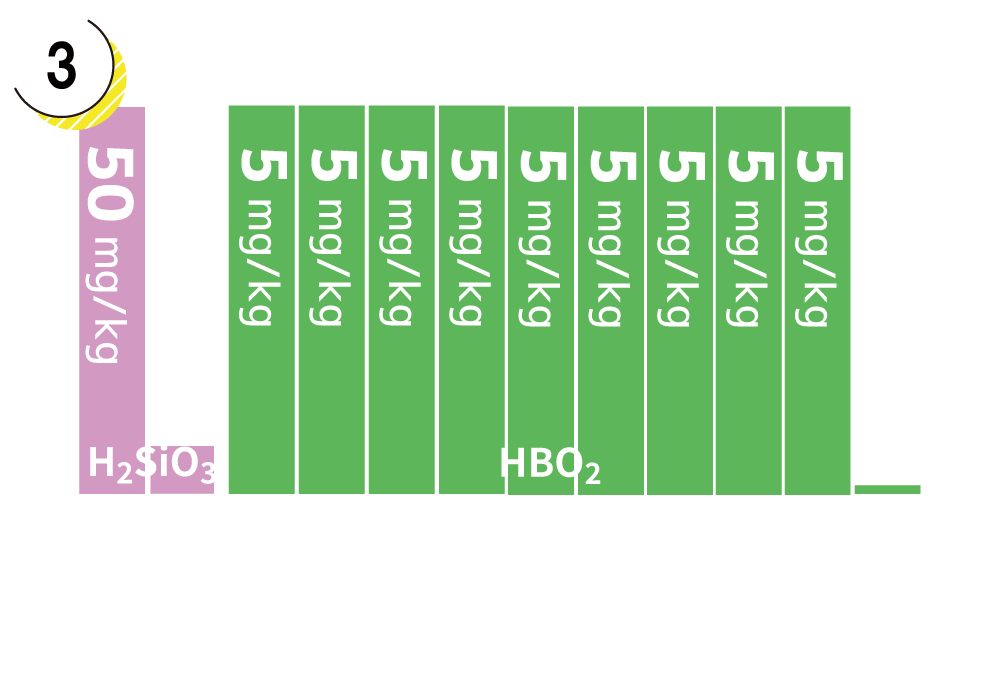
*The bars for Metasilicic acid 50 mg/kg and Metaboric acid 5 mg/kg represent the qualification criteria for hot springs. The number of bars indicates values such as “more than XX times the hot spring standard” or “about XX times the hot spring standard”.
62.6 mg/kg
■ Natural moisturizing component
■ Exceeds the hot spring standard (50 mg/kg)
 Metaboric Acid
 46.6 mg/kg
■ Helps keep the skin clean
■ About 9 times the hot spring standard (5 mg/kg)
 +
+ +
+
Total Dissolved Substances
(excluding gaseous)
2,450 mg/kg
 16~24 times more components than commercial bath additives!

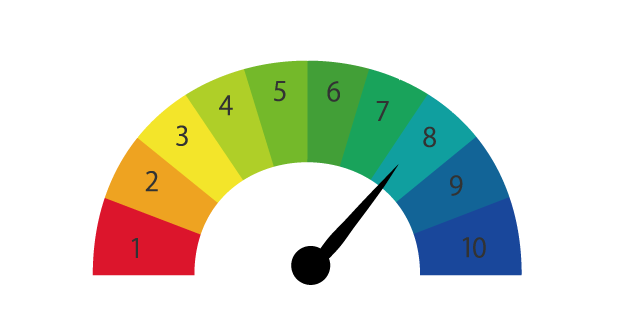
Hydrogen Ion
Concentration
pH 8.3
Weakly Alkaline
Spring Temperature
64.6 ℃
Maintained at a comfortable temperature by adjusting the water flow
Color of water /
Smell of water

Clear and Colorless

Odorless
Hot Spring Flow Rate
59 L/min
(Private source / Mechanically pumped)

Hot spring water usage per person (spring discharge / maximum capacity)
→ 59L / 81 guests = 0.72 L / per minute
*To meet the requirements for kakenagashi (flowing directly from the source),
at least 1 L of hot spring water per minute per bather
is required for proper bath management
Status of Source Utilization
| Water added | Heated | Disinfected | Circulated | Bath additives |
|---|---|---|---|---|
| No | A: No B: Yes |
A: No B: Yes |
A: No B: Yes |
No |
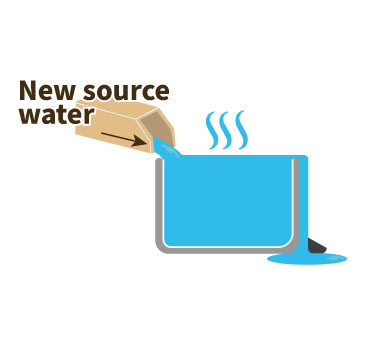
A: “Tsubo-buro” at Large public baths and open-air baths for men and women / Private open-air baths “Kagao” and “Nayotake” / Open-air baths in guest rooms on the premium top floor “Rokka” / Footbath “Yume-no-shizuku”
→ 100% natural free-flowing hot spring water (kakenagashi)
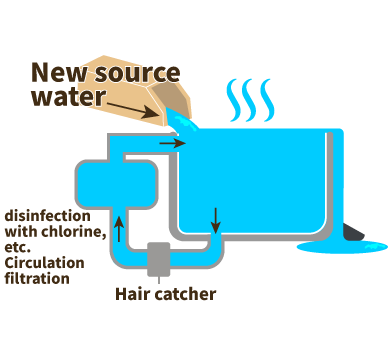
B: Large public baths and open-air baths for men and women (excluding the “Tsubo-buro”) / The open-air bath in the detached premium room “Akari” / Open-air baths in guest rooms on the 4th floor / The open-air bath in the guest room of “Hana-no-sho” on the 3rd floor
→ Combination of free-flowing hot spring water + circulation and filtration system (the water is partially mixed with groundwater and tap water, heated, and disinfected with chlorine before being recirculated).
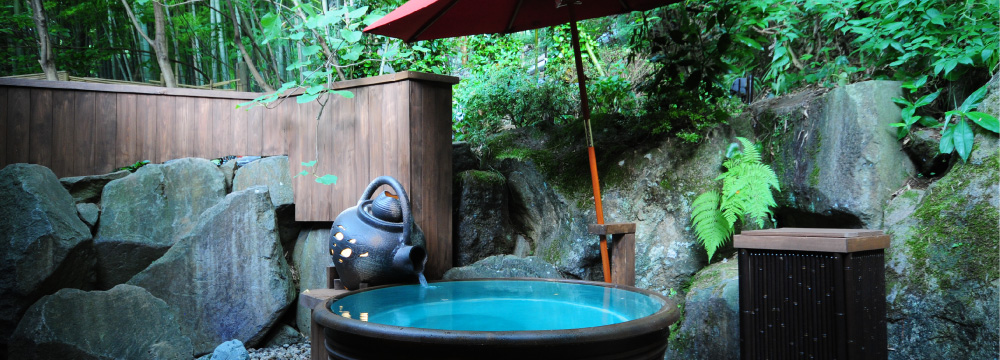
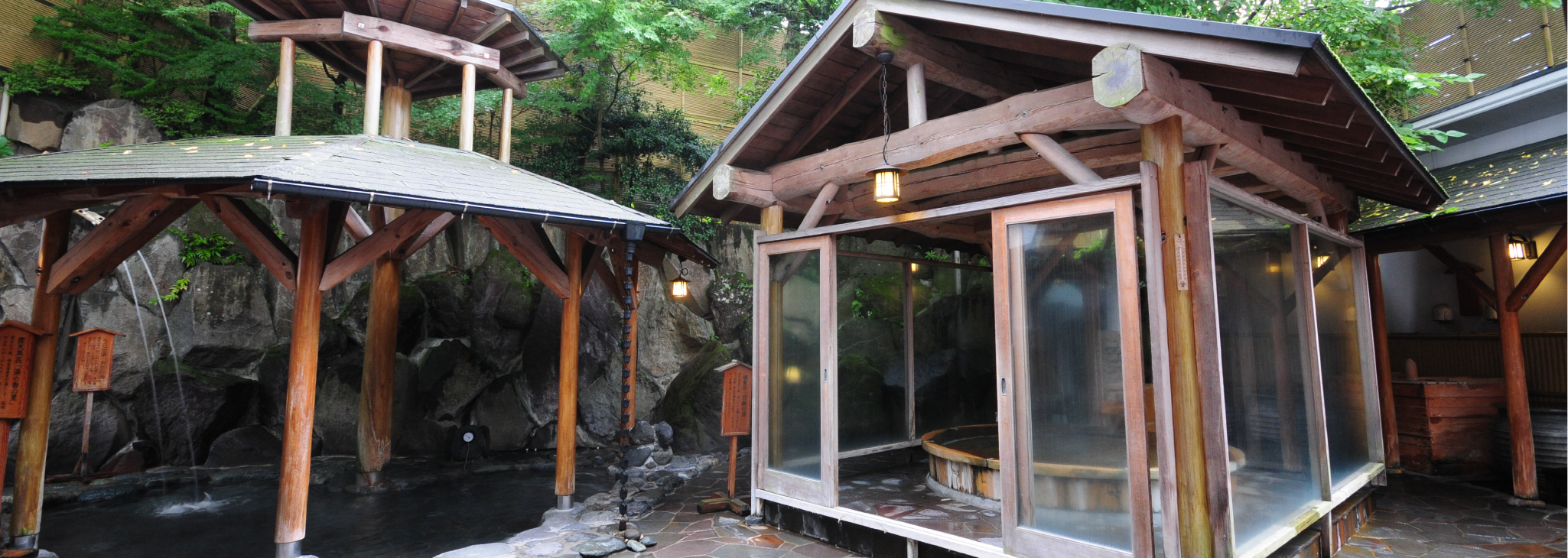
Private open-air bath “Kagao”
A large Shigaraki ware bathtub rests on a wooden deck surrounded by a bamboo grove, shaded by a striking vermilion parasol. The setting exudes a rich traditional Japanese aesthetic. Here, you can lose track of time while enjoying the gentle breeze of Hakone. Even the water spout is a charming detail—uniquely shaped like a teapot.
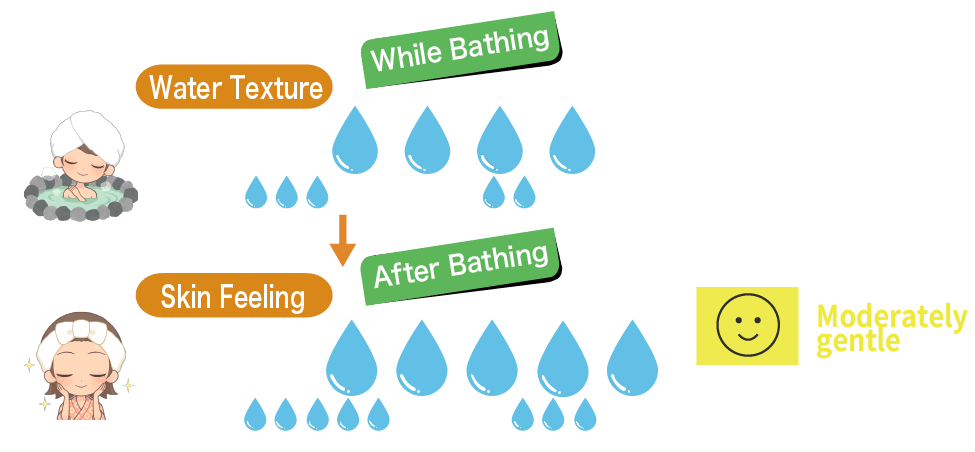
Skin Feeling Gauge
Ideal for:
People seeking
beautiful skin
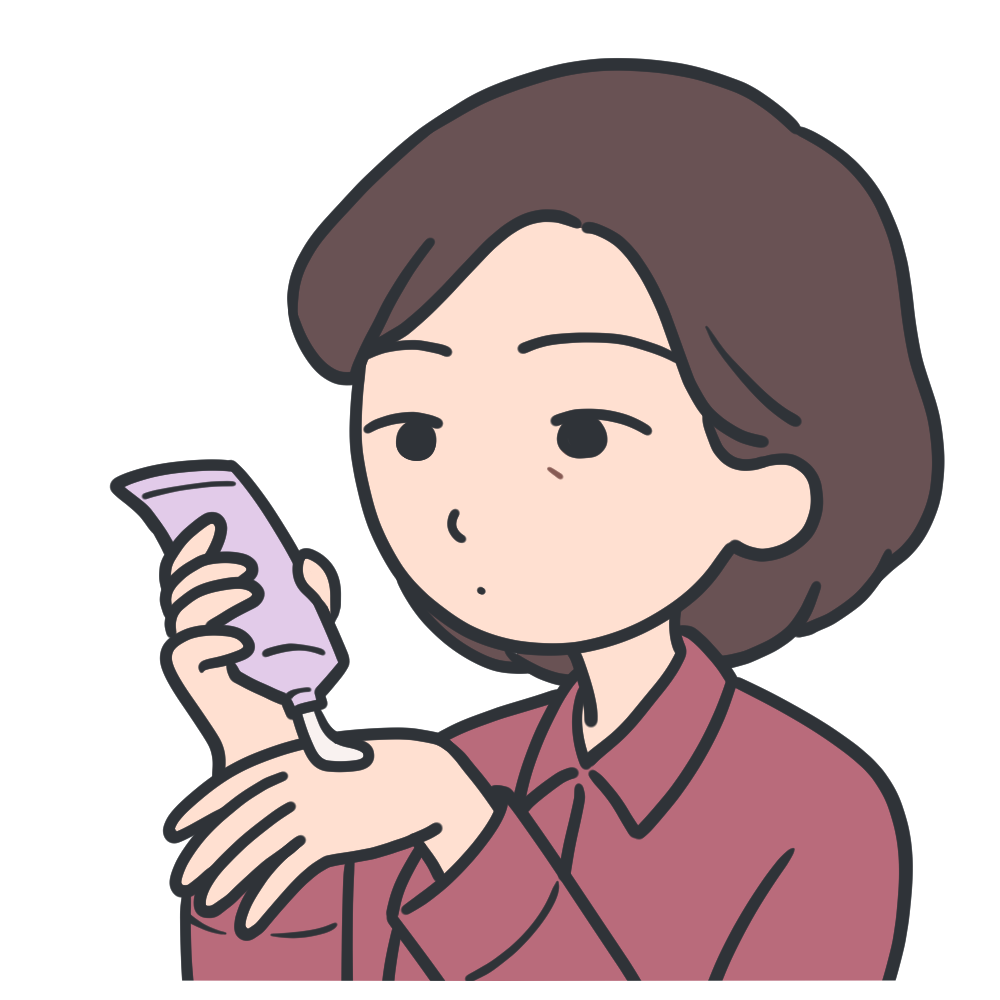
People with dry skin
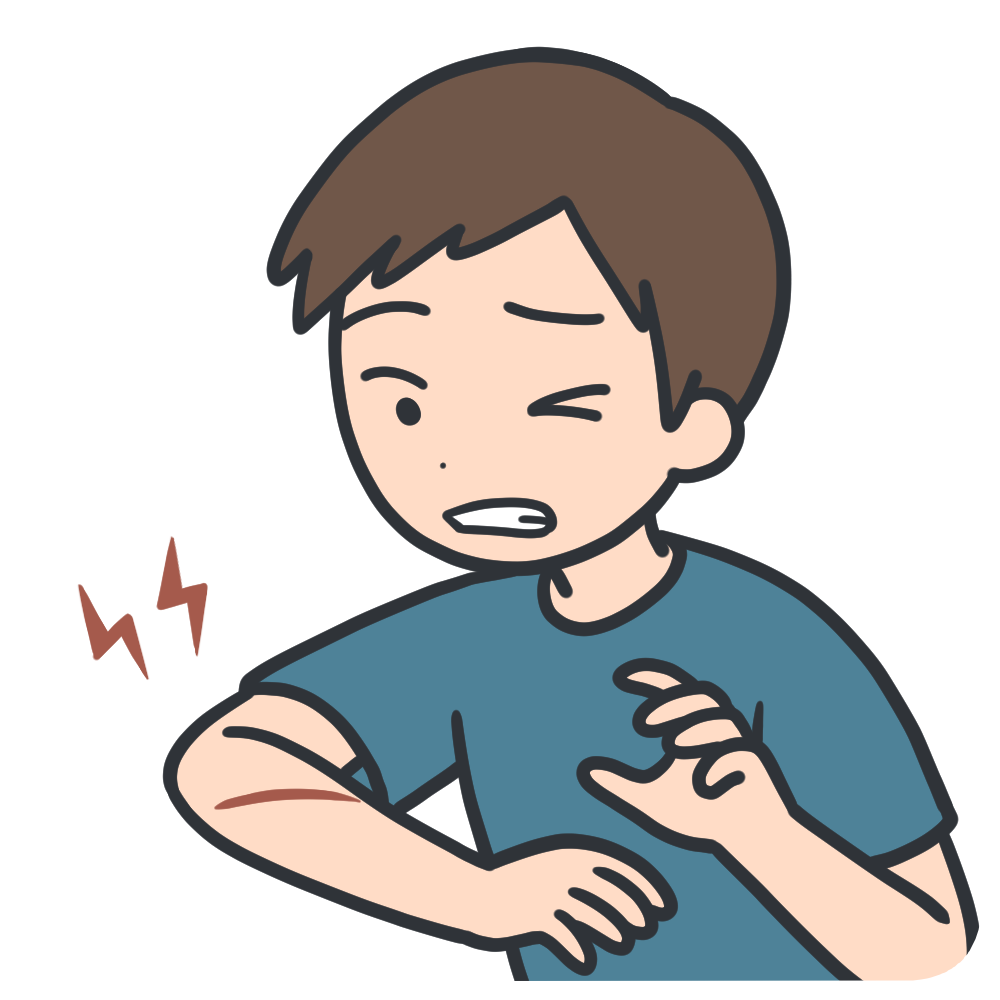
People concerned
about
minor cuts
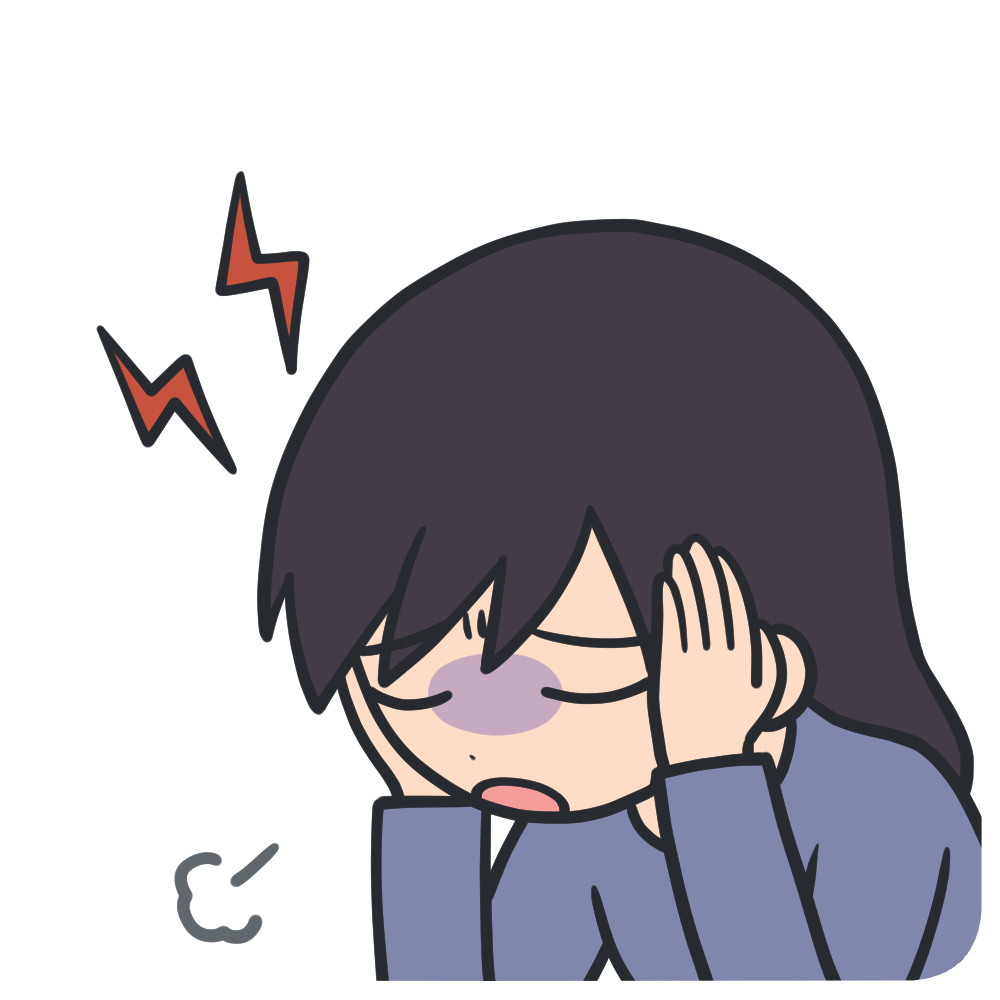
People feeling
stressed

People sensitive
to cold
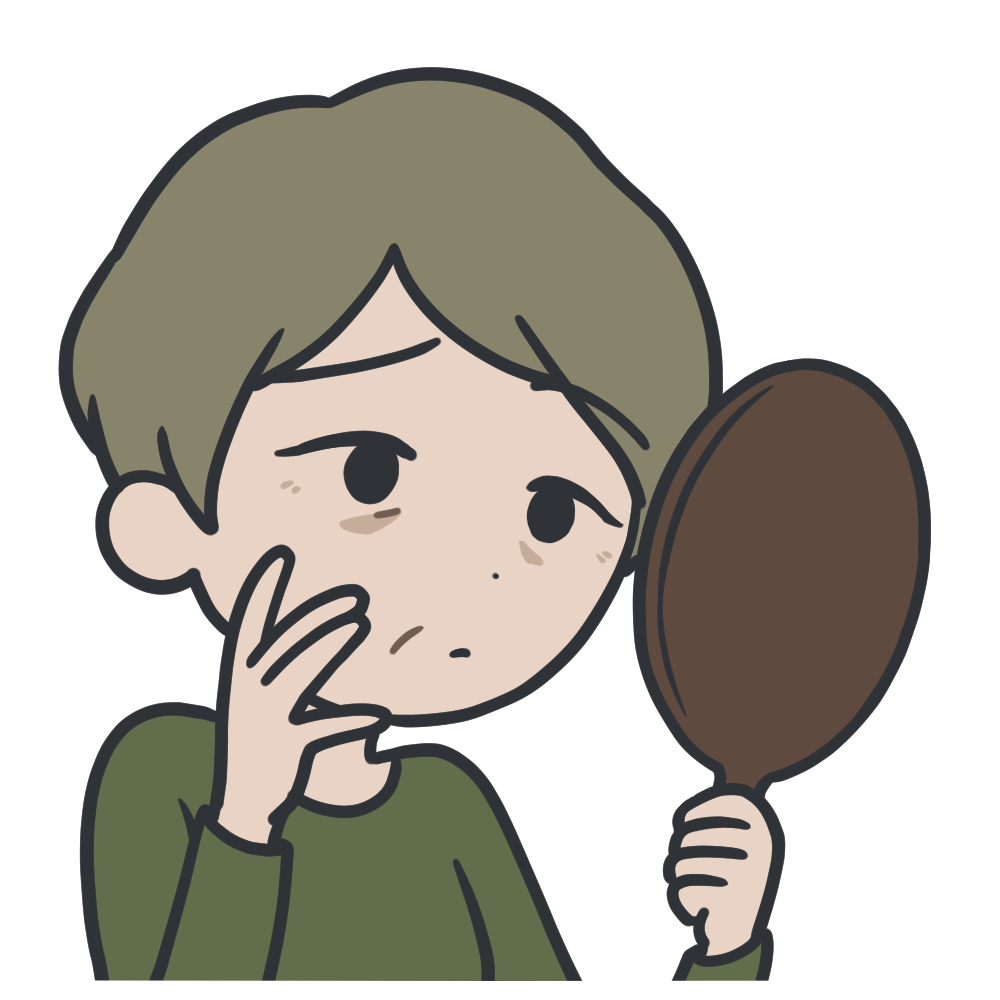
People looking to improve skin firmness and radiance
Indications by Spring Quality
(for bathing)
 Cuts
Cuts Peripheral circulatory disturbance
 Sensitivity to cold
 Depression
 Dry skin
General Indications (for bathing)
Chronic pains or stiffness of muscles or joints (chronic phase of rheumatoid arthritis, osteoarthritis, lower back pains, nerve pains, frozen shoulder, bruises, sprains, etc.), Muscle stiffness in motor paralysis, Sensitivity to cold, Peripheral circulatory disturbance, Gastrointestinal hypofunction (slow digestion, intestinal gas formation, etc.) Mild hypertension, Impaired glucose tolerance (diabetes), Mild hypercholesterolemia, Mild asthma or Emphysema, Hemorrhoidal pains, Autonomic instability, Various symptoms from stress (sleep disorders, depression, etc.), Restorative phase from illness, Recovery from fatigue, Health promotions
General Contraindications (for bathing)
Active stage of diseases (especially when fever is accompanied), Active tuberculosis, Advanced
malignant tumor or the case of significant debility involving severe anemia, Severe cardiac or lung
diseases involving suffocation feelings with a little movement, Severe kidney diseases involving
edema, Gastrointestinal bleeding, When bleeding is visible, Acute exacerbation stage of chronic
diseases
*There are no general indications or contraindications for drinking.
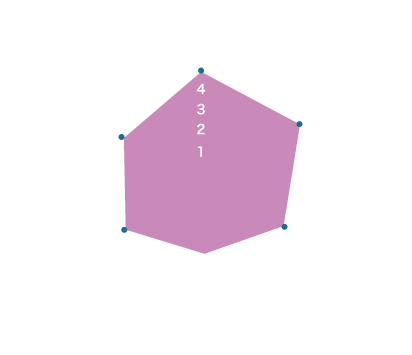
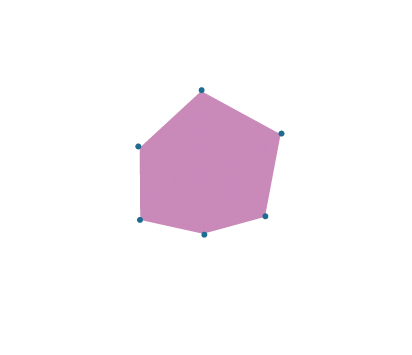
Onsen Power Chart
→ 100% natural free-flowing hot spring water (kakenagashi)
→ Combination of free-flowing hot spring water + circulation and filtration system (the water is partially mixed with groundwater and tap water, heated, and disinfected with chlorine before being recirculated).
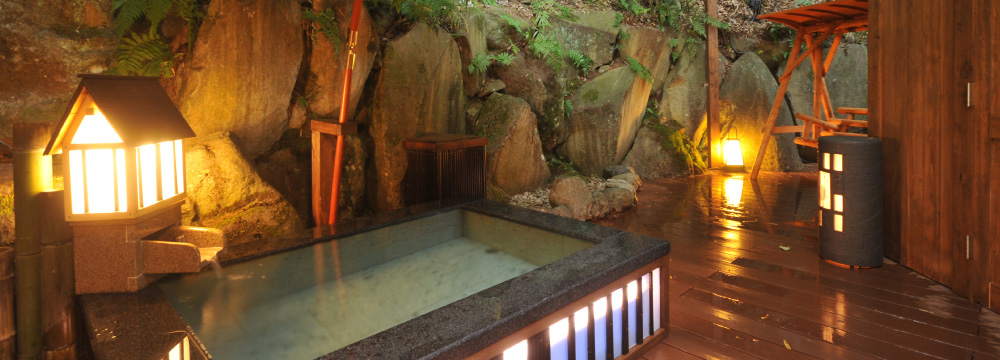
Private open-air bath “Nayotake”
The square, stone-style bathtub is remarkably spacious, allowing adults to fully stretch out and relax. Like “Kagao”, it is enveloped by a bamboo grove, with a signature vermilion parasol set beside the bath. For an added touch of playfulness, a handmade wooden swing stands nearby.
Keywords of this Onsen
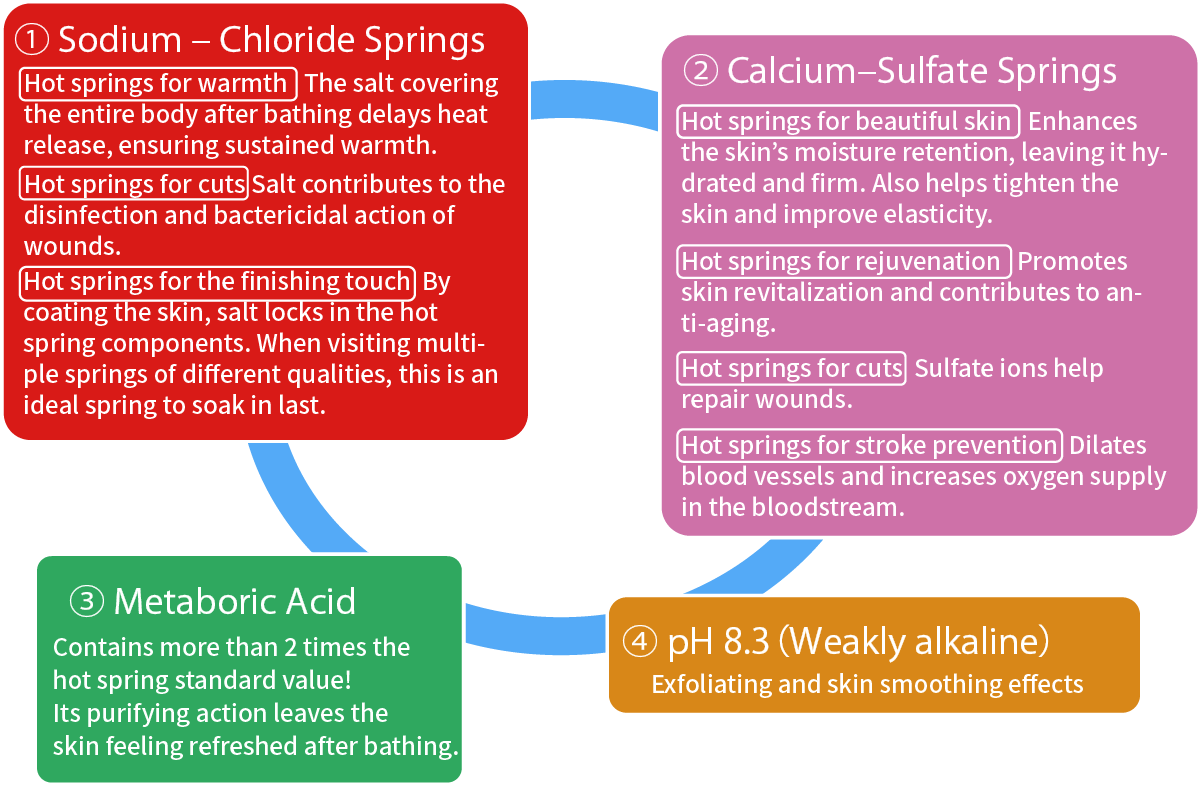
①Sodium – Chloride springs
Hot springs for warmth The salt covering the entire body after bathing delays heat release, ensuring sustained warmth.
Hot springs for cuts Salt contributes to the disinfection and bactericidal action of wounds.
Hot springs for the finishing touch By coating the skin, salt locks in the hot spring components. When visiting multiple springs of different qualities, this is an ideal spring to soak in last.
②Calcium – Sulfate springs
Hot springs for beautiful skin Enhances the skin’s moisture retention, leaving it hydrated and firm. Also helps tighten the skin and improve elasticity.
Hot springs for rejuvenation Promotes skin revitalization and contributes to anti-aging.
Hot springs for cuts Sulfate ions help repair wounds.
Hot springs for stroke prevention Dilates blood vessels and increases oxygen supply in the bloodstream.
③Metaboric Acid
Contains more than 9 times the hot spring standard value! Its purifying action leaves the skin feeling refreshed after bathing.
④pH 8.3 (Weakly Alkaline)
Exfoliating and skin smoothing effects
Cuts・・・③Metaboric Acid help cleanse wounds, ②Calcium – Sulfate springs promote tissue regeneration, and ①Sodium – Chloride springs contribute to disinfection.
Peripheral circulatory disturbance・・・②Calcium – Sulfate springs dilate blood vessels, and ①Sodium – Chloride springs dilate blood vessels, and ③Chloride springs prevent heat loss while promoting peripheral blood flow.
Sensitivity to cold・・・②Calcium – Sulfate springs dilate blood vessels to warm the body from within, and ①Sodium – Chloride springs lock in warmth with a protective salt layer.
Dry skin・・・④pH 8.3 (Weakly Alkaline) exfoliates dead skin cells to smooth the skin, ②Calcium – Sulfate springs provide rich hydration, and ①Sodium – Chloride springs provide rich hydration, and ③Chloride springs help retain moisture with a protective salt layer.
Depression・・・②Calcium – Sulfate springs regulate the autonomic nervous system through improved circulation and sedative effects, while ①Sodium – Chloride springs promote parasympathetic activity with lasting warmth, helping to relieve mental tension.
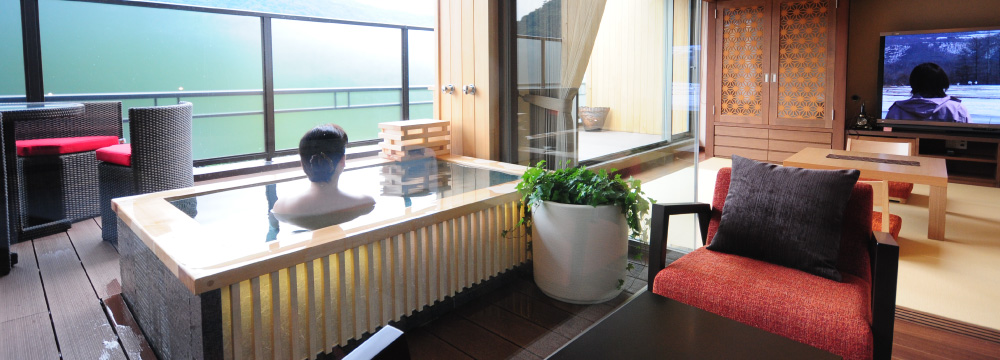
Guest room open-air bath “Kanade” at Rocca
A transparent acrylic wall separates the guest room from the bath, creating a seamless sense of openness. The view of Hakone stretching out before you is wonderfully expansive. You can even enjoy a relaxing soak while watching the room’s television. A footbath is also set on the wooden terrace, allowing you to unwind in the same open, airy atmosphere even after your bath.
Onsen Classification
️Hot springs are classified not only by their spring quality, but also by three additional factors: osmotic pressure, hydrogen ion concentration (pH level), and spring temperature.
Osmotic Pressure
(Hypotonic, Weakly Alkaline, High temperature Spring)
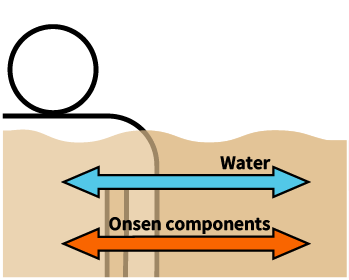
In hot spring classification, “osmotic pressure” refers to comparing the concentration of dissolved components in the spring water (mainly salts) with that of human body fluids (such as blood and intracellular fluid). Based on this comparison, springs are categorized as hypotonic, isotonic, or hypertonic. The difference in concentration serves as an indicator of how easily water moves between the hot spring water and body fluids.
Total Dissolved Substances
2,450 mg/kg
Classified as a Hypotonic spring
|
|||||
 |
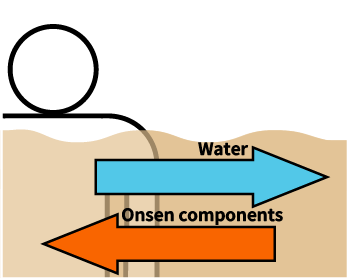
Isotonic 👤 Body fluid concentration ≒ ♨ Onsen concentration Water・・・Hardly moves into or out of the body Onsen components・・・Minimally absorbed and act gently on the body Isotonic means having the same osmotic pressure as human body fluids. It is equivalent to a saline solution made by dissolving approximately 8.8 g of salt in 1 liter of water. Because its concentration is close to that of body fluids, there is little movement of water or onsen components due to osmotic pressure. As a result, it is considered to place the least strain on the body and to be the gentlest in terms of stimulation. |
||||
 |
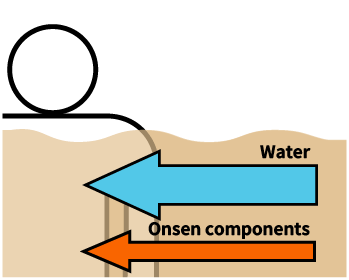
Hypertonic 👤 Body fluid concentration < ♨ Onsen concentration Water・・・Easily moves out of the body Onsen components・・・Easily absorbed into the body Because its osmotic pressure is higher than that of human body fluids (isotonic fluids), water tends to move out of the body more easily, while onsen components are more readily absorbed into the body. As a result, stronger therapeutic effects may be expected. However, hypertonic hot springs are also more likely to cause “hot spring fatigue (yu-atari)” and can be more physically demanding. They are generally regarded as “rich or highly concentrated hot springs”. Among Japanese hot springs, hypertonic springs are relatively uncommon, and a comparatively large proportion are classified as mineral springs (below 25°C) rather than hot springs (25°C or higher). |
||||
Hydrogen Ion Concentration
(Hypotonic, Weakly Alkaline, High temperature Spring)
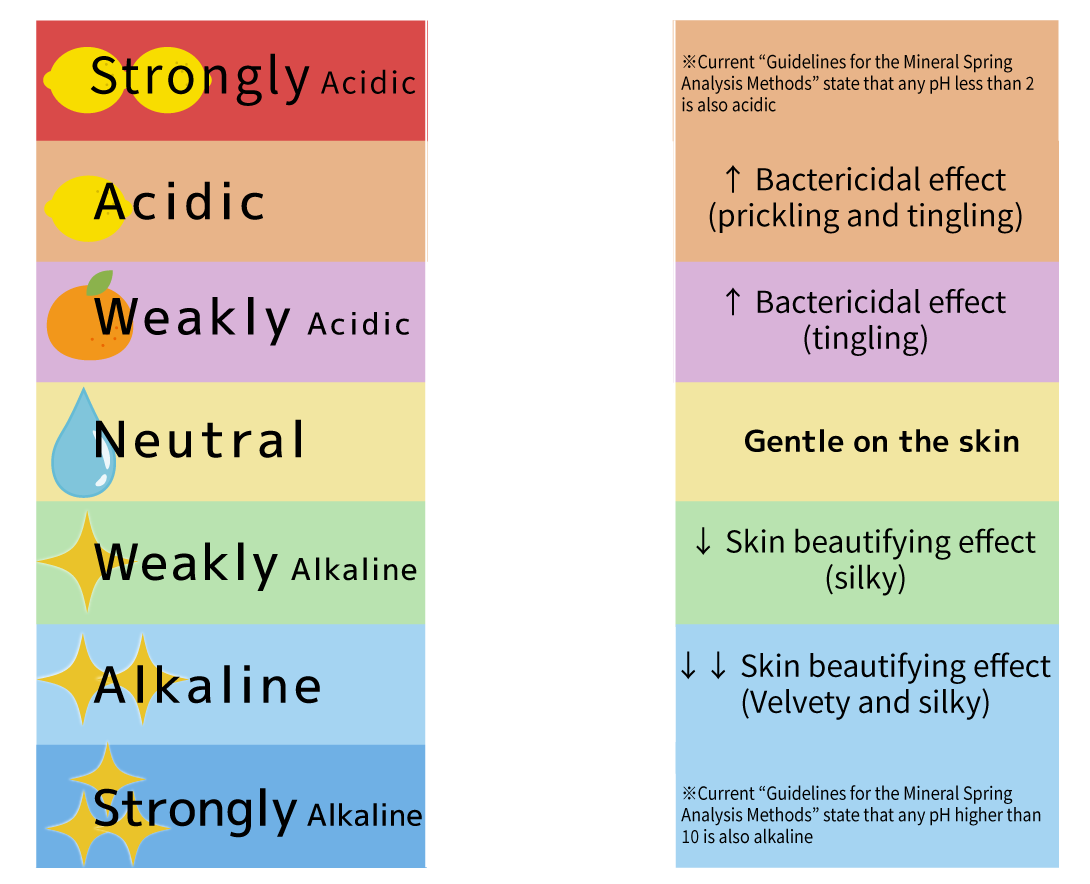
In the hot spring analysis report, the section titled “Examination and test results at gushing location” includes the listed pH value. Chemically, a pH of 7.0 is considered neutral; values below this are acidic, and values above it are alkaline. According to the “Guidelines for the Mineral Spring Analysis Methods”, the chemical nature of a mineral spring is classified based on its pH value at the time of emergence, as shown in the table below.
pH 8.3
Classified as Weakly Alkaline
Spring Temperature
(Hypotonic, Weakly Alkaline, Hot spring)
64.6℃
Classified as Hot spring
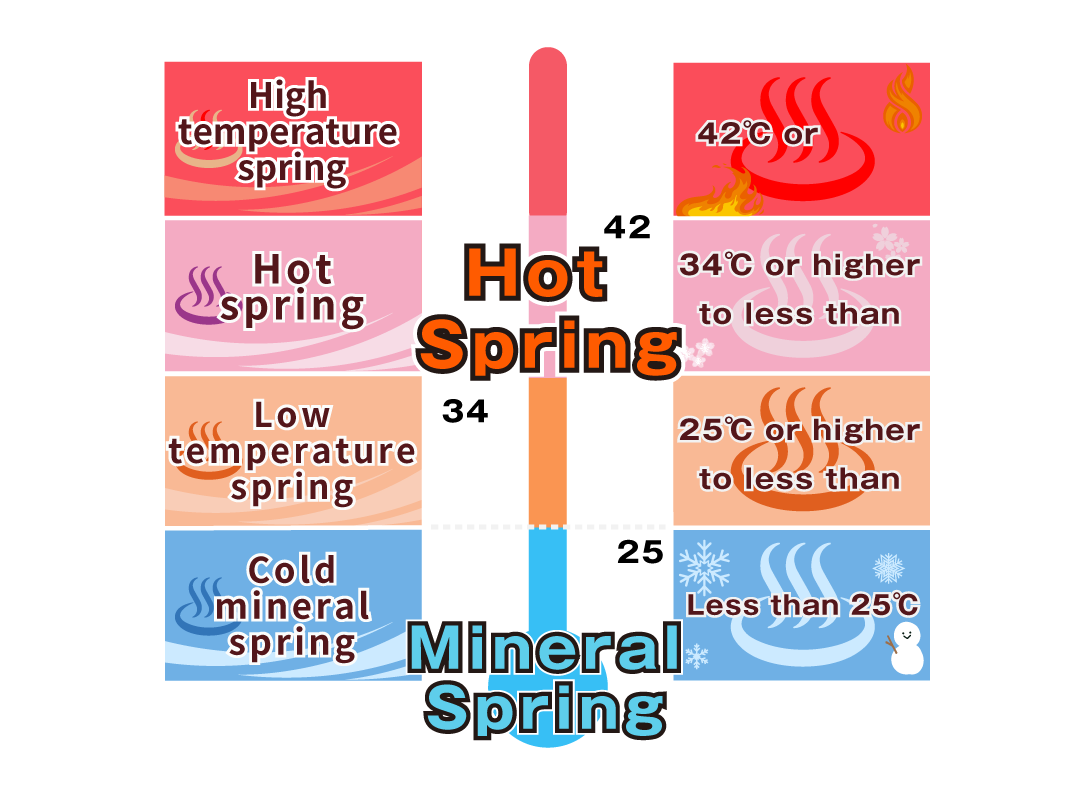
Under the “Hot Springs Act”, water that contains one or more designated substances at or above the legally specified levels and has a source temperature of 25°C or higher is classified as a “hot spring”. If the temperature is below 25°C, it is labeled a “cold mineral spring”. Furthermore, as noted above, hot springs are classified by source temperature as high-temperature spring, hot spring, or low-temperature spring.
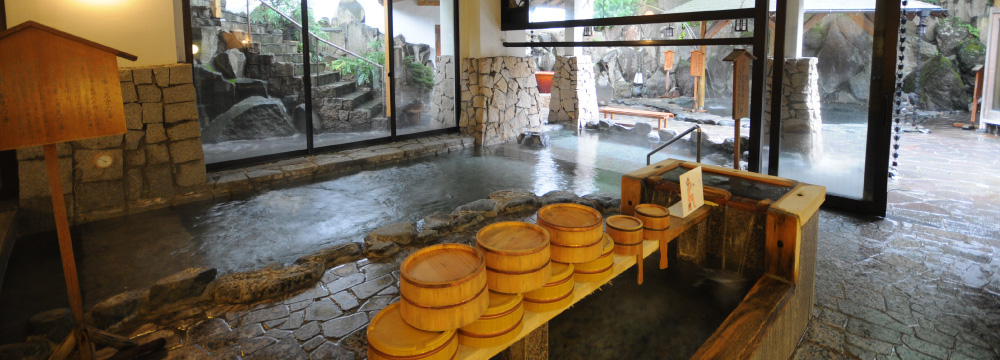
Large public bath for women's “Tenshu-no-Yu”
The separate men’s and women’s large public baths feature a variety of different bathtubs, allowing guests to enjoy a relaxing hot-spring tour within the facility. Each bath is also named after anecdotes associated with Toyotomi Hideyoshi. “Tenshu-no-Yu”, for example, is inspired by the story of Hideyoshi’s construction of the “One-Night Castle”.
Facility Data
| Founded in | Established in 1996 |
|---|---|
| Check in | 2:00 PM |
| Check out | 11:00 a.m. |
| Location | Mountains / Bamboo forests |
| Rooms | All 18 rooms |
| Capacity | 81 persons |
| Parking | Available for 50 cars |
| Facilities | Banquet hall, shop, rest area |
| Internet | Wi-Fi available |
| Barrier-free | Supported |
| Toilet with washer | Equipped |
Keywords for this inn
| Hot spring hopping across 10 different baths fed by a private natural source |
| Private open-air baths surrounded by bamboo, rich in traditional Japanese atmosphere |
| Luxurious suites featuring private open-air baths |
| Comprehensive services catering to couples through to families |
| Highly acclaimed creative kaiseki cuisine, winner of the Rakuten Grand Prix |
Hot Spring (Onsen) Report
| The name “Hakone KAMON” originates from a poem recited by the famous warlord Toyotomi Hideyoshi during the Odawara Campaign of 1590, which marked the end of the Warring States period. The gender-separated large communal baths and open-air baths were designed in the image of the “One-Night Castle” built at that time, giving visitors a taste of the grandeur experienced by the warlord himself. This inn features its ... Read more → |
Transportation Access
| By train | 12 minutes walk from Hakone-Yumoto Station |
|---|---|
| Shuttle bus | Yes【Pick-up service at Kaminoyama Onsen Station by TEL upon arrival (for overnight guests only)】 |
| By car | From Tokyo: Approximately 40 minutes on the Odawara Atsugi Road from the Atsugi IC on the Tomei Expressway. From Nagoya: Approximately 4 hours via the Gotemba IC on the Tomei Expressway or the Mishima-Tsukahara IC on the Izu-Jukan Expressway. |
| Address | Kanagawa(Hakone・Yugawara) / Hakone Yumoto Onsen / Hakone KAMON 45 Ikaho, Ikaho-machi, Shibukawa-shi, Kanagawa(Hakone・Yugawara) 377-0102, JAPAN. Phone:+81-(0)460-85-5050 |