Kanto > Gunma > Tanigawa Onsen
A refined ryokan at the foot of Mt. Tanigawadake with 100% natural free-flowing, skin-beautifying hot springs.
Ryokan Tanigawa
旅館たにがわ
524-1, Tanigawa, Minakami-cho, Tone-gun, Gunma 379-1619, JAPAN
Phone:+81-(0)278-72-2468
Spring Quality
Weak Alkaline Simple Hot Springs
弱アルカリ性 単純温泉
(Hypotonic, Weakly alkaline, High temperature spring)
Total Dissolved Substances
667mg/kg
Weakly alkaline
pH8.3
Spring Temperature
48.3℃
Low-Irritation
Hot springs for beautiful skin
Effective forMental relaxation and Insomnia
A versatile spring quality ideal forTherapeutic use
Hot springs are believed to originate from rain and snow seeping into the ground, or ancient seawater trapped deep within the earth. This water is heated by geothermal energy or magma, absorbing mineral components over a period of years—or even millennia—before finally emerging at the surface.
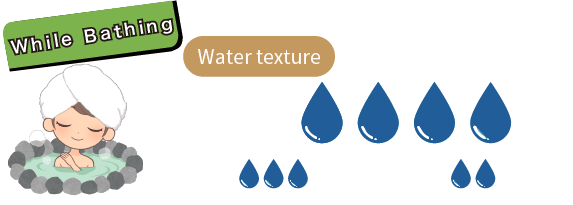
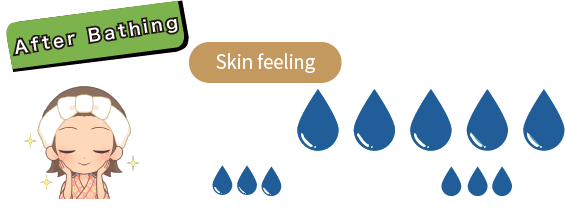
Skin Feeling Gauge
Indoor bath in Large Public Bath
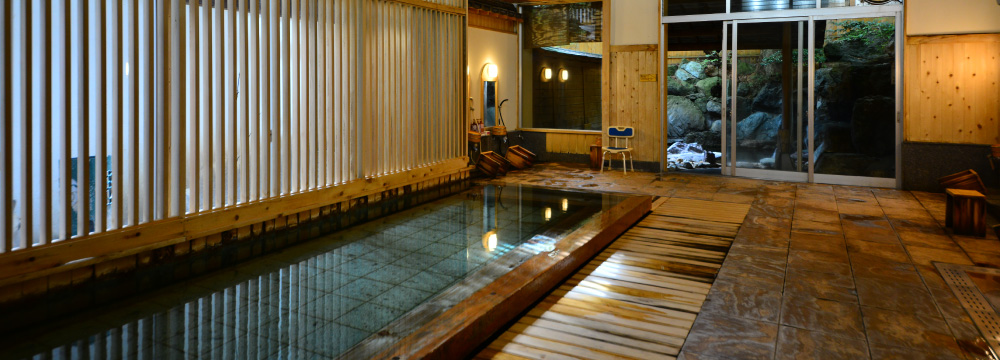
A spacious indoor bath features 100% natural, free-flowing water drawn from four sources. Beyond it lies an open-air bath where you can enjoy the fresh air. The weakly alkaline simple hot spring water gently removes dead skin cells, leaving your skin smooth and silky. The baths alternate between men and women depending on the time of day.
️Onsen Characteristics
Low-irritation “Hot springs for beautiful skin”
are effective for mental health and insomnia
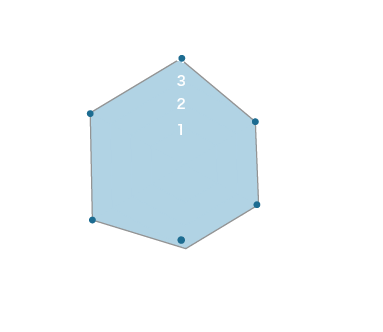
Onsen Power Chart
Hot Spring Usage
108liters per minute

Amount of hot spring use per person (yield / bath capacity)
108 liters/ 70 people = 1.54 liters
※Ryokan Tanigawa accommodates up to 70 guests
※To meet the requirements for kakenagashi (flowing directly from the source), at least 1 liter of hot spring water per minute per bather is required for proper bath management
Five-Sense Impressions

Color of water:Clear and Colorless

Smell of water:Odorless
Ideal for:
People who want silky smooth skin
People who prefer gentler hot springs
People with sleep difficulties
People experiencing stress
People recovering from injury or illness

Evidence of “Hot springs for beautiful skin”
Weakly alkaline
↓
Exfoliation & Skin-Smoothing Effects
Indications by Spring Quality (for Bathing)
 Autonomic instability
 Insomnia
 Depression
※There are no specific contraindications for this spring type, whether for bathing or drinking
General Indications (Common to all hot springs) can be found here
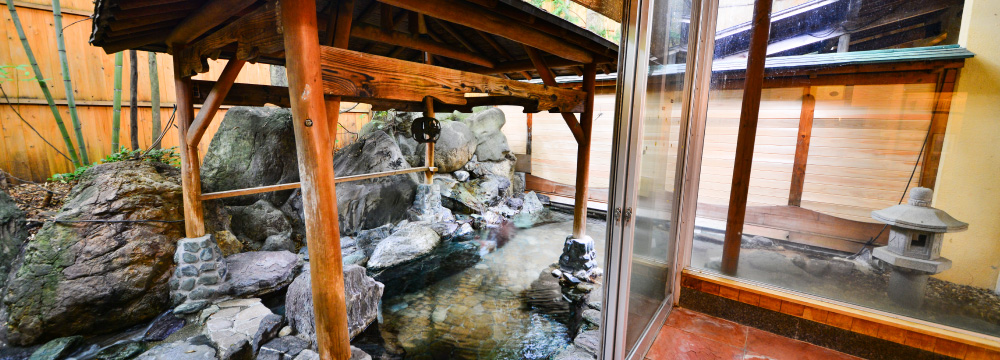
Open-air bath in Large Public Bath
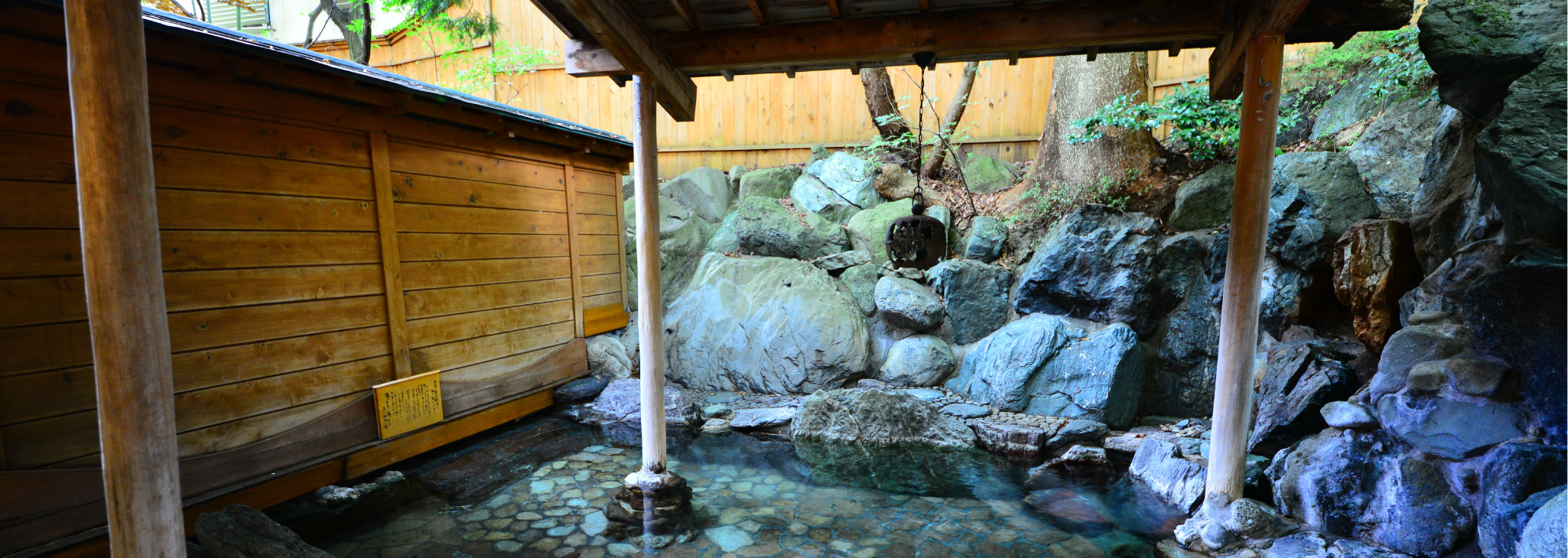
Beyond the large public baths lie open-air baths featuring rustic tubs crafted from locally sourced Sanba Stone. In winter, guests can experience the magic of “yukimi” (snow-viewing) surrounded by a blanket of snow. The indoor and outdoor baths, which differ slightly in design, alternate between men and women depending on the time of day.
Onsen Components
A gentle, versatile spring quality that is ideal for therapeutic use.
 Cations
… Effective for nerve calming, pain and inflammation relief, and skin regeneration
… Provide moisturizing effects and help relax muscle tension
 Anions
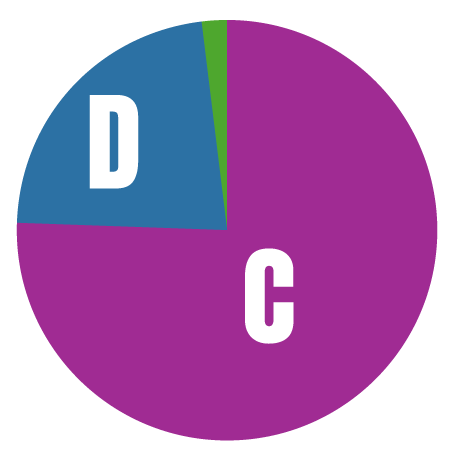
… Promotes blood circulation / Bactericidal effects / Helps prevent wrinkles and rejuvenate the skin
… Heat retention and bactericidal effects from salt content
 Non-dissociated components
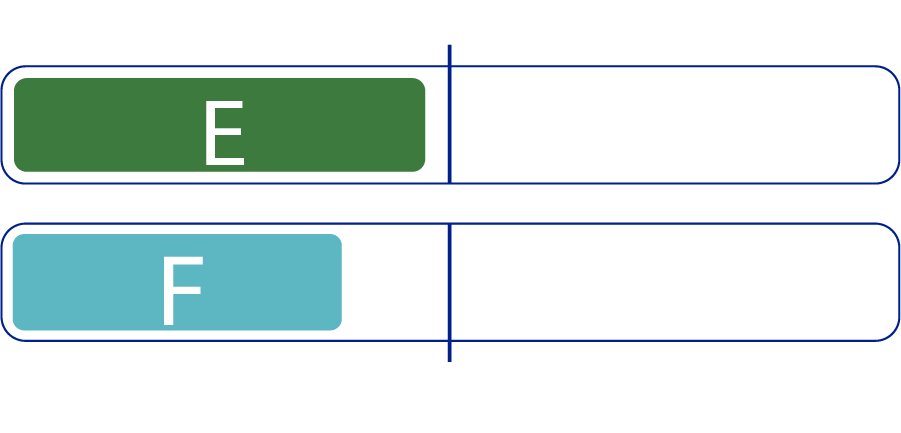
… Moisturizing component / Only 1.1 mg/kg shy of the official onsen standard.
… Cleansing component / Only 1.3 mg/kg shy of the official onsen standard.
++ Total Dissolved Substances
667mg/kg
|
Less than 1000 mg/kg ↓ Simple Hot Springs |
More than 1000 mg/kg ↓ Named hot springs (e.g., Chloride Springs) |
| ← Low Skin irritation High → | |
A spring is officially recognized as a “hot spring” in Japan if it naturally emerges from the ground with a temperature of 25°C or higher, or if it meets at least one of the 19 qualification criteria. When stricter standards are applied and at least one of the seven therapeutic criteria is met, the spring is classified as a “therapeutic hot spring”. In Japan, these are currently classified into 10 types of spring qualities: Simple hot springs, Chloride springs, Hydrogen carbonate springs, Sulfate springs, Carbon dioxide springs, Iron containing springs, Acidic springs, Iodine containing springs, Sulfur springs, and Radioactive springs. Among therapeutic hot springs, which meet stricter standards than regular hot springs, those with a total dissolved substances (excluding gaseous components) of less than 1,000 mg/kg are given the designation “Simple” (e.g., Simple Hot Springs, Simple Sulfur Springs). Conversely, hot springs with 1,000 mg/kg or more are classified according to their dominant mineral components, such as Chloride Springs, Sulfate Springs, or Hydrogen Carbonate Springs.
In the case of “Ryokan Tanigawa”, the total dissolved substances are 667 mg/kg, so the spring is classified as a Weakly Alkaline Simple Hot Springs. If the mineral content were to exceed 1,000 mg/kg, the spring name would be determined by any cation or anion accounting for 20 mval% or more, resulting in a designation such as Calcium, Sodium – Sulfate, Chloride Springs. In general, Simple Hot Springs contain relatively low levels of mineral components—though still several times more concentrated than commercially available bath additives—and tend to be gentle on the skin. For this reason, they are recommended not only for people with sensitive skin, but also for a wide range of ages, from babies to the elderly.
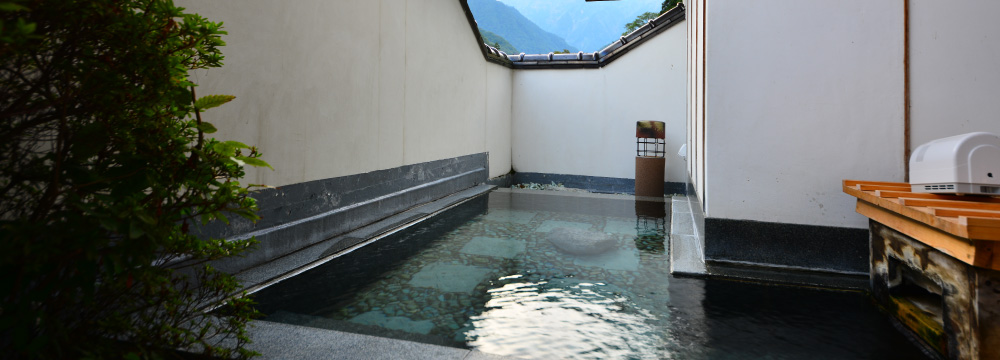
Private open-air bath “Tanigawa-no-Yu”
One of the two private open-air baths at the inn, “Tanigawa-no-Yu”, offers a view of Mt. Tanigawadake when the weather is clear. By reserving at the front desk, guests can enjoy Japanese sake served in a traditional masu (wooden cup) along with ice cream, all while soaking in the bath.
Onsen Classification
️Hot springs are classified not only by their spring quality, but also by three additional factors: osmotic pressure, hydrogen ion concentration (pH level), and spring temperature.
Osmotic Pressure
“Osmotic pressure” classification in hot springs is a method of categorization based on the difference in concentration between the spring water's dissolved components and human bodily fluids.
|
|||
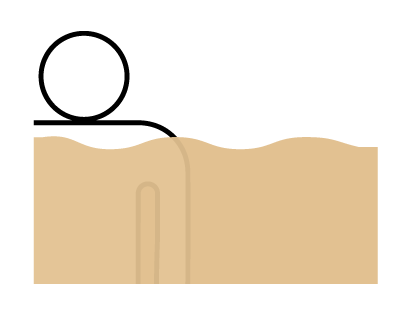 |
Isotonic (8,000 mg/kg or more to less than 10,000 mg/kg) This refers to having the same osmotic pressure as human body fluids. It is equivalent to a saline solution made by dissolving 8.8 g of salt in 1 liter of water. |
||
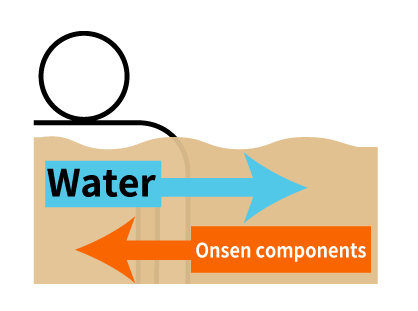 | Hypertonic (10,000 mg/kg or more) Body fluids tend to be drawn out of the body, while hot spring components are more easily absorbed, so care should be taken to avoid “yu-atari” (hot spring fatigue). These springs are generally considered “highly concentrated” hot spring. |
||
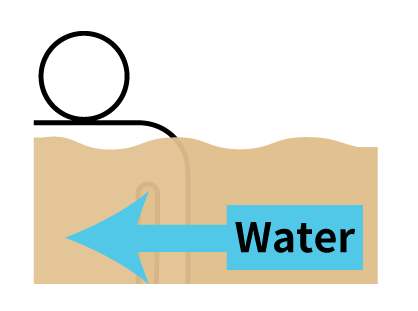
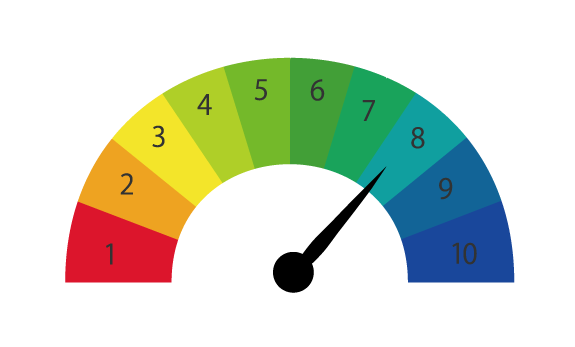
Hydrogen Ion Concentration
pH8.3
Classified as Weakly alkaline
Spring Temperature
48.3℃
Classified as High temperature spring
| Hot spring | High temperature spring | 42℃ or higher 48.3℃ |
|---|---|---|
| Hot spring | 34℃ or higher to less than 42℃ | |
| Low temperature spring | 25℃ or higher to less than 34℃ | |
| Mineral spring | Cold mineral spring | Less than 25℃ |
Large public baths / Open-air baths / Guest room open-air baths
↓
The bathing temperature is adjusted by blending four different hot spring sources with varying temperatures.
Private open-air baths
↓
The temperature is adjusted to an ideal level using a circulation system.
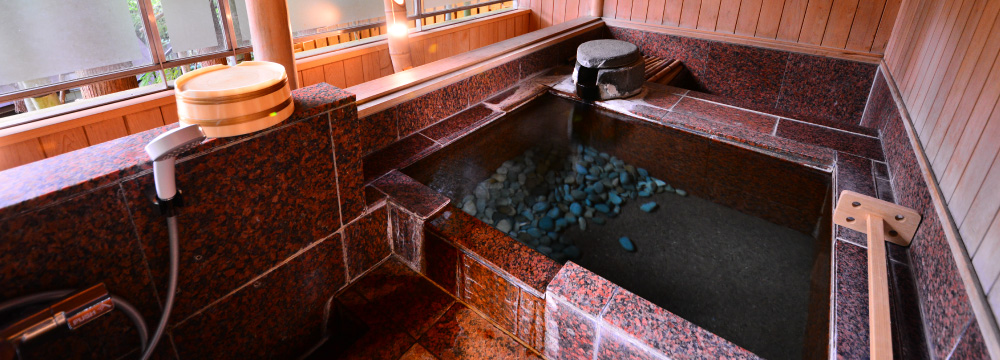
Guest room open-air bath in Room 625
There are three popular guest rooms with private open-air baths. Each room features a bath filled with 100% natural free-flowing hot spring water, renowned for its skin-beautifying properties. Smooth round stones lining the bottom of the tub provide a gentle, soothing sensation. Guests can enjoy the luxury of experiencing the “Hot springs for beautiful skin” at any time they wish.
️Keywords of this Onsen
️
Private Hot Spring Source
Ownership of multiple wells enables a continuous flow of natural hot spring water.
️
Weakly Alkaline Spring (pH 8.3)
Helps dissolve old keratin, leaving your skin smooth and refreshed after bathing.
️
Gentle Spring Quality
With moderate mineral content and low irritation, this spring is suitable for everyone—from babies to the elderly.
️
Hot Springs for Beautiful Skin
Weak Alkaline Simple Hot Springs of the calcium-sulfate (gypsum) type, known for supporting skin regeneration and helping prevent wrinkles.
️
Relief for Autonomic Instability
Beneficial for discomfort caused by stress or irregular lifestyle habits.
️
Support for Insomnia
Effective for sleep disorders; simple springs are officially recognized for this condition.
️
Depression Support
Said to help with symptoms such as low mood, feeling down, and reduced motivation.
️
Deep Relaxation
With its gentle nature and low stimulation, the spring promotes full relaxation of both body and mind.
️
Ideal for Rehabilitation
Traditionally known as “Hot springs for stroke prevention” and “Hot springs for neuralgia relief” due to their gentle, low-irritation properties.
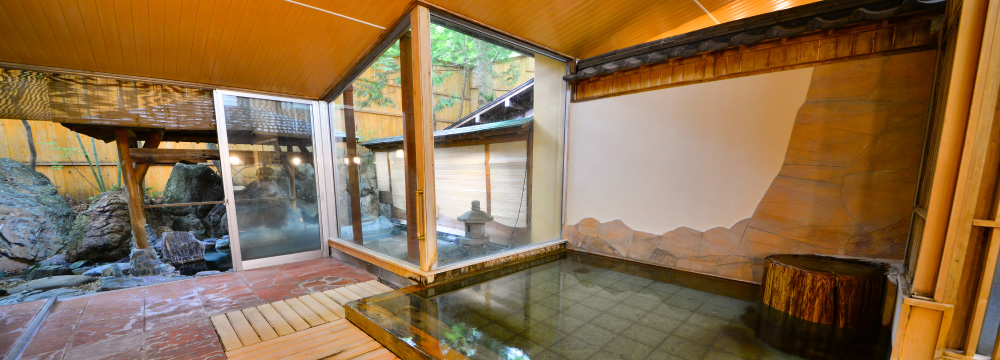
Large Public Baths and Open-Air Baths (Separate for Men and Women)
In the indoor large public baths for men and women, fresh hot spring water constantly flows from a spout carved out of a large cypress log. At the back, there is an open-air bath surrounded by large stones. The colorless and clear water is gentle on the skin, activates the parasympathetic nervous system, and enhances relaxation.
Other information️
Hot Spring Source Usage
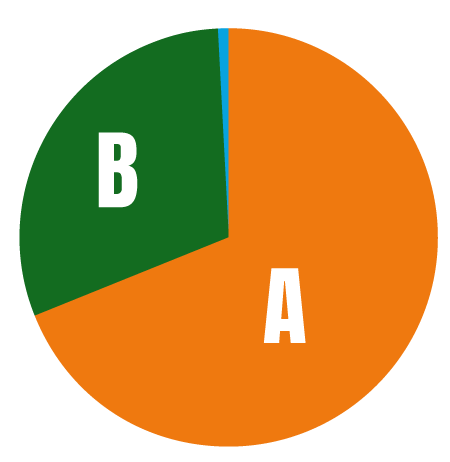
A:Large public baths for men and women, Open-air baths for men and women, Open-air baths in guest rooms → 100% free-flowing hot spring water
B:Private open-air baths → Free-flowing hot spring water + Circulation/Filtration combination
| Water added | Water heated | Disinfected | Circulated | Bath additives |
|---|---|---|---|---|
| AB:not used | A:not used B:used |
A:not used B:used |
A:not used B:used |
AB:not added |
General Indications (For bathing)
Chronic pains or stiffness of muscles or joints (chronic phase of rheumatoid arthritis, osteoarthritis, lower back pains, nerve pains, frozen shoulder, bruises, sprains, etc.), Muscle stiffness in motor paralysis, Sensitivity to cold, Peripheral circulatory disturbance, Gastrointestinal hypofunction (slow digestion, intestinal gas formation, etc.) Mild hypertension, Impaired glucose tolerance (diabetes), Mild hypercholesterolemia, Mild asthma or Emphysema, Hemorrhoidal pains, Autonomic instability, Various symptoms from stress (sleep disorders, depression, etc.), Restorative phase from illness, Recovery from fatigue, Health promotions
General Contraindications (For bathing)
Active stage of diseases (especially when fever is accompanied), Active tuberculosis, Advanced
malignant tumor or the case of significant debility involving severe anemia, Severe cardiac or lung
diseases involving suffocation feelings with a little movement, Severe kidney diseases involving
edema, Gastrointestinal bleeding, When bleeding is visible, Acute exacerbation stage of chronic
diseases
※There are no general indications or contraindications for drinking.
Facility Data
| Founded in | 1981(Showa 56) |
|---|---|
| Check in | 2:00 PM |
| Check out | 10:00 AM ※Depending on the plan, 11:00 AM |
| Location | Mountain |
| Rooms | Total 28 rooms(16 Japanese-style rooms/12 Japanese-Western style rooms)※Japanese-Western style rooms have beds on tatami mats |
| Capacity | 70 people |
| Parking | 50 cars |
| Facilities | Shop, Lounge, Footbath, Walking bath, Relaxation room (with fitness machines), Osamu Dazai Mini Gallery, Mt. Tanigawadake Photo Gallery, Exhibition space |
| Internet | Wi-Fi available |
| Barrier-free | Supported |
| Bidet toilet | Equipped |
Keywords for this inn
| The closest hot spring resort to Mt. Tanigawadake |
| A private open-air bath with views of Mt. Tanigawadake |
| Guest rooms with private open-air baths—the reason our guests return again and again |
| Exceptional hospitality—the secret to the inn's popularity |
| Exquisite cuisine featuring Gunma’s finest seasonal ingredients |
Transportation Access
| By train | JR Joetsu Shinkansen, Jomo Kogen Station (about 75 min. from Tokyo Station) → Relay bus (about 25 min.) → JR Mizukami Station About 10 min. by car from JR Joetsu Line, Mizukami Station (※Pick-up service is available from Mizukami Station) |
|---|---|
| By car | About 10 min. by car from the Mizukami IC on the Kanetsu Expressway |
| Address | Gunma/Tanigawa Onsen/Ryokan Tanigawa 524-1, Tanigawa, Minakami-cho, Tone-gun, Gunma 379-1619, JAPAN TEL:+81-(0)278-72-2468 |