Tohoku > Yamagata > Kaminoyama Onsen
Enjoy the excellent spring water quality in open-air baths with outstanding panoramic views and in uniquely designed private baths.
Arimakan
有馬館
6-5 Shinyu, Kaminoyama city, Yamagata 999-3141, JAPAN
Phone:+81-(0)23-672-2511
Spring Quality
Sodium, Calcium -
Chloride / Sulfate springs
ナトリウム・カルシウム-塩化物・硫酸塩泉
(Hypotonic, Weakly alkaline, High temperature spring)
Soak to hydrate, drink to rebalance
—luxurious therapeutic springs /
Deeply warming, anti-aging hot springs for beautiful skin
Hot springs are believed to form when rainwater or snowmelt seeps underground, or when ancient seawater becomes trapped deep within the earth. Heated by magma or the earthʼs internal heat, this water dissolves minerals from underground rocks and slowly rises to the surface over years—or even tens of thousands of years.
Onsen Components
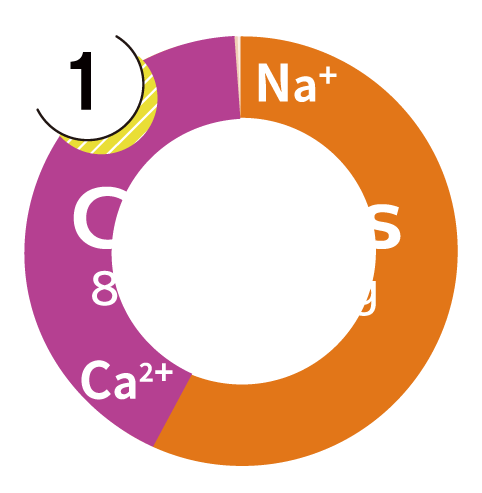
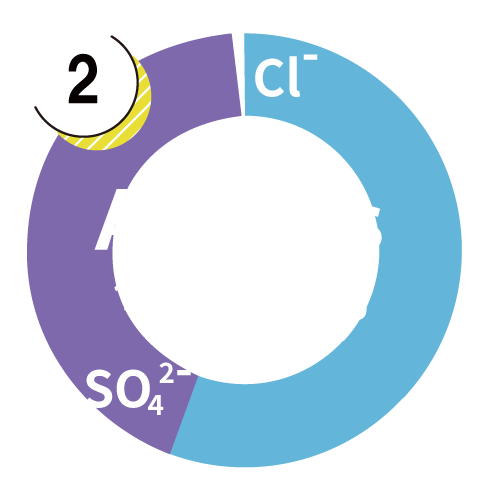
* % values are simplified representations of mval%.
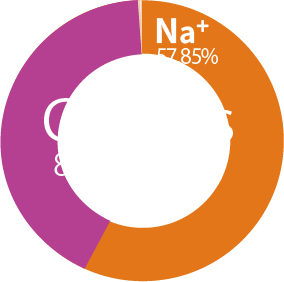
505.8 mg/kg
57.85 mval%
■ Moisturizes and helps soothe dry skin
■ Relieves muscle tension, easing stiffness and pain
■ Promotes blood circulation, and helps relieve sensitivity to cold
■ Stimulates metabolism and supports natural detoxification
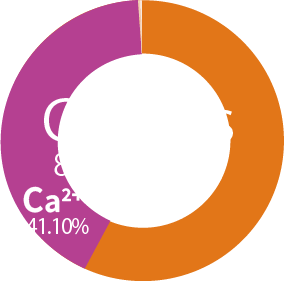
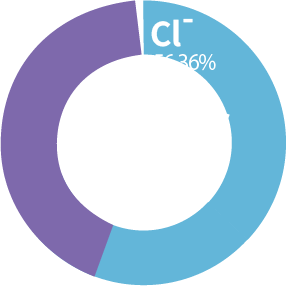
313.3 mg/kg
41.10 mval%
■ Promotes the formation and regeneration of the stratum corneum
■ Soothes pain and inflammation, helping relieve discomfort
■ Regulates vascular contraction and dilation, contributing to stable blood circulation
■ Strengthens the skin’s barrier function, protecting against external irritants
* % values are simplified representations of mval%.
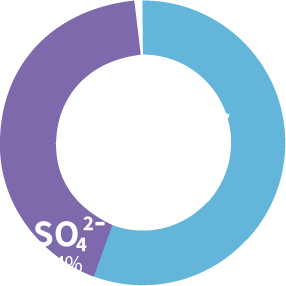
727.3 mg/kg
56.36 mval%
■ Enhances heat retention by forming a salt coating on the skin surface
■ Helps retain skin moisture by reducing water evaporation through the salt-coating effect
■ Supports recovery from cuts through the bactericidal action of salts
■ Contributes to autonomic nervous system regulation through sustained warming effects
733.1 mg/kg
41.94 mval%
■ Supports peripheral blood circulation
■ Promotes skin metabolism, helping improve firmness and elasticity
■ Aids recovery from skin conditions such as dry skin and cuts
■ Contributes to autonomic nervous system regulation through warming and circulation-promoting effects
■ Main component of sulfate springs, known as one of the “Hot springs for beautiful skin”
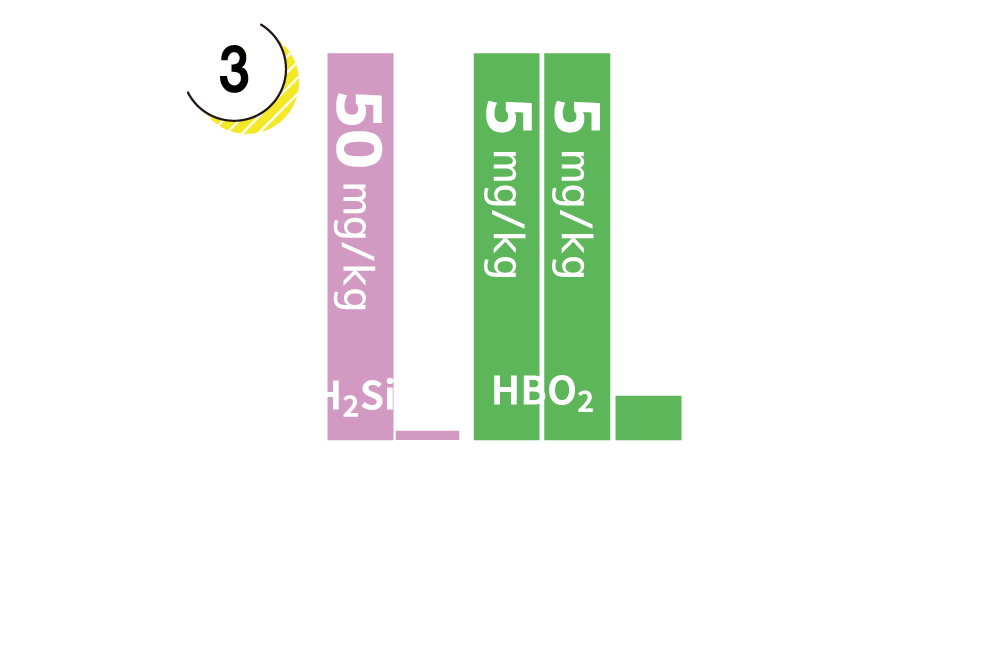
*The bars for Metasilicic acid 50 mg/kg and Metaboric acid 5 mg/kg represent the qualification criteria for hot springs. The number of bars indicates values such as “more than XX times the hot spring standard” or “about XX times the hot spring standard”.
 Metasilicic Acid
 56.6 mg/kg
■ Natural moisturizing component
■ Exceeds the hot spring standard (50 mg/kg)
Metaboric Acid 12.0 mg/kg
■ Purifying action that keeps the skin clean
■ More than twice the hot spring standard (5 mg/kg)
 +
+ +
+
Total Dissolved Substances
(excluding gaseous)
2,389 mg/kg
 16~24 times more components than commercial bath additives!

Hydrogen Ion
Concentration
pH 7.6
Weakly Alkaline
Spring Temperature
62.8 ℃
■Large public baths / Private baths → Spring water flow is adjusted to maintain a comfortable temperature.
■Rooftop open-air baths → The system heats the water to maintain a comfortable temperature.
Color of water /
Smell of water

Clear and Colorless

Odorless
Hot Spring Flow Rate
67 L/min
(Centralized management / Mechanically pumped)

Hot spring water usage per person (spring discharge / maximum capacity)
→ 67L / 120 guests = 0.5 L / per minute
*To meet the requirements for kakenagashi (flowing directly from the source),
at least 1 liter of hot spring water per minute per bather
is required for proper bath management
Status of Source Utilization
| Water added | Heated | Disinfected | Circulated | Bath additives |
|---|---|---|---|---|
| No | ABCE: No D: Yes (winter only) |
AB: No CDE: Yes |
AB: No CDE: Yes |
ACD: No BE: Yes |
A: Large Public Bath “Kin-no-Yu” Shigaraki Ware Bath / Large Public Bath “Roman-yu” Bathtub ② /
Private Baths “Pamukkale” and “Yawaragi” → 100% Natural Free-Flowing Hot Spring
B: Private Bath “Kihoseki Standing Bath” → 100% Natural Free-Flowing Hot Spring (Kihoseki powder added)
C: Large Public Bath “Kin-no-Yu” Main Bath → Free-Flowing Hot Spring + Circulation and Filtration
D: Rooftop Open-Air Baths “Tenku” and “Tensei” → Free-Flowing Hot Spring + Circulation and Filtration (Heated in winter)
E: Large Public Bath “Roman-yu” Bathtub ① (Kihoseki Bath) → Free-Flowing Hot Spring + Circulation and Filtration (Kihoseki powder added)
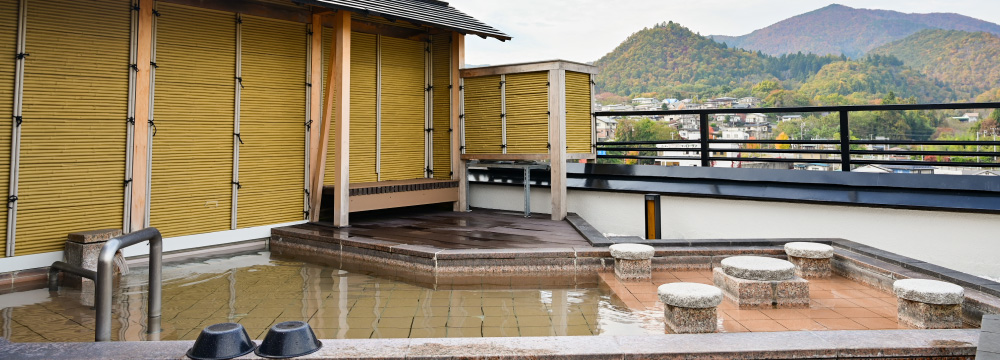
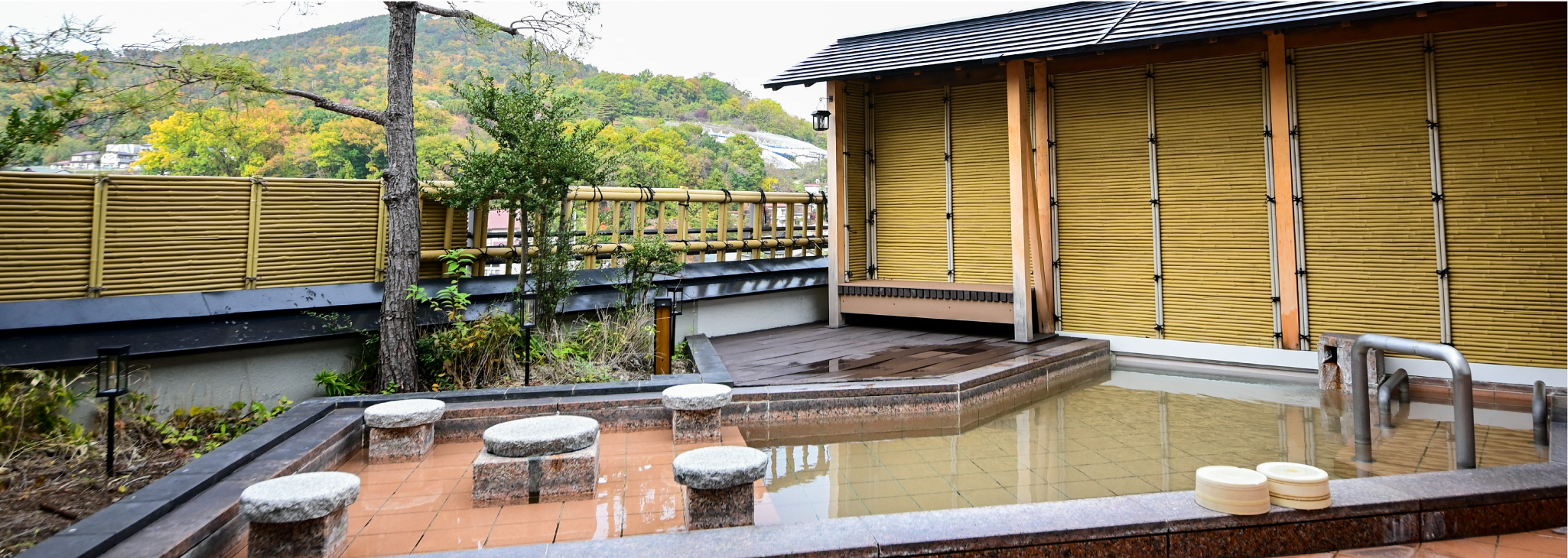
Panaroma Open-air Bath “Tenku”
There are two open-air baths in rooftop, which are used as large public baths for men and women during the daytime, and as private baths at night. As the name of the inn implies, you can enjoy a 360 degree view of Kaminoyama city. Enjoying with a view of the majestic mountains in the distance is a special experience.
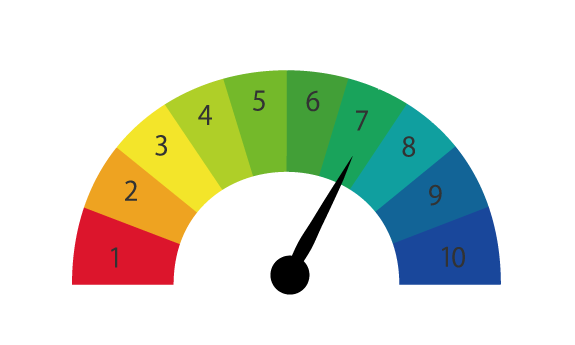
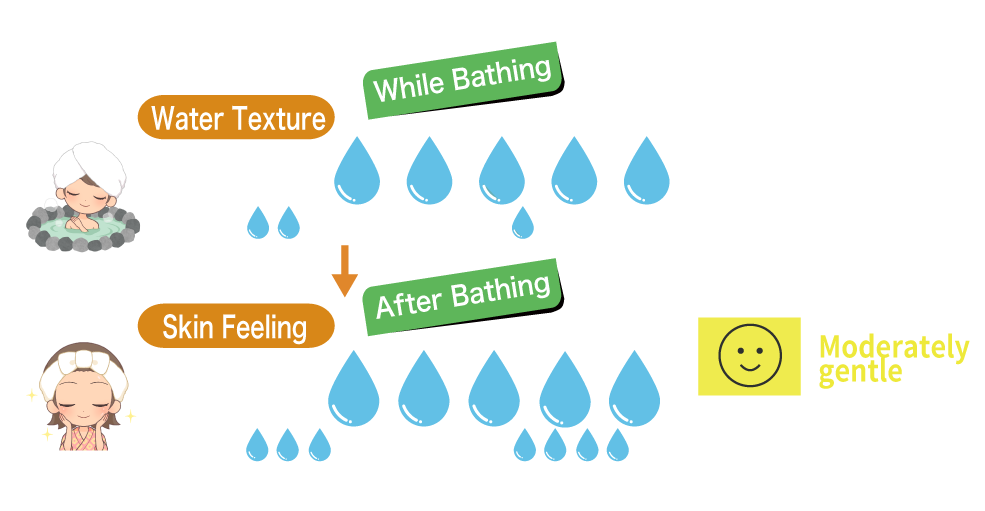
Skin Feeling Gauge
Ideal for:
People seeking
skin‑beautifying effects
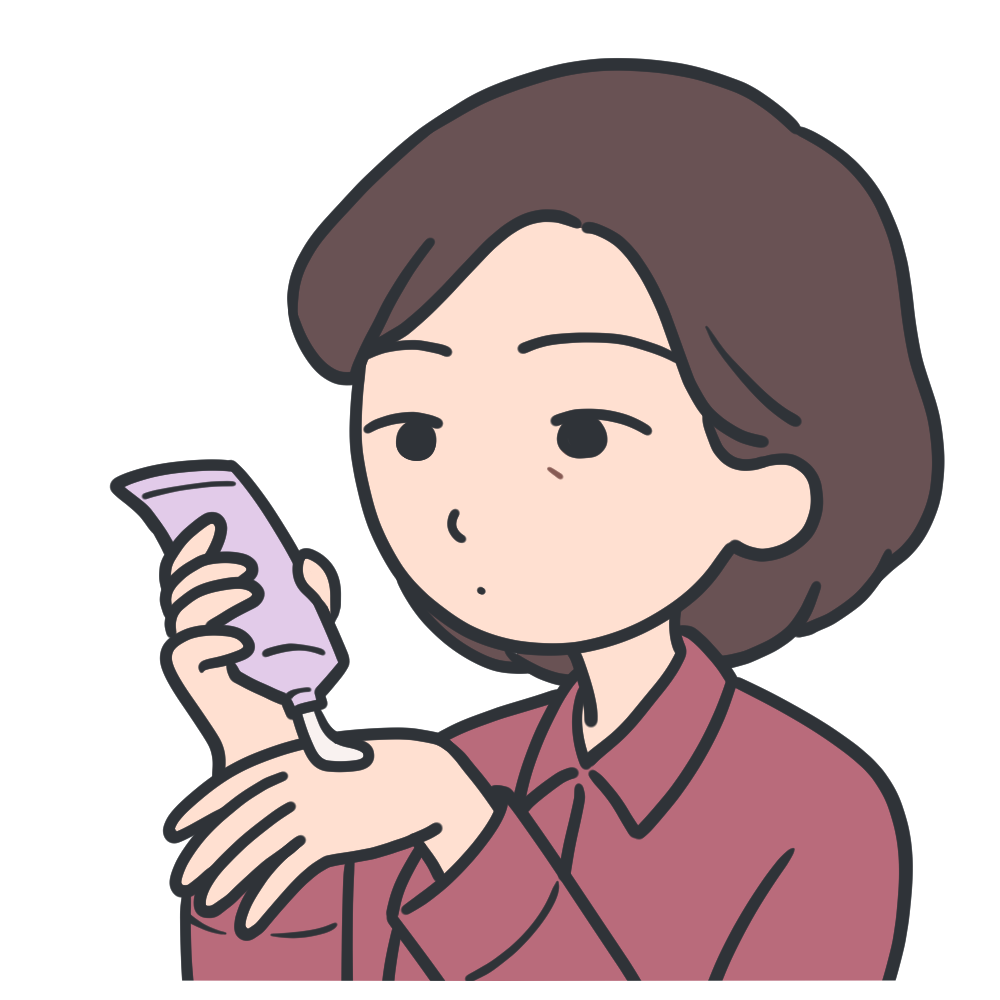
People with dry skin
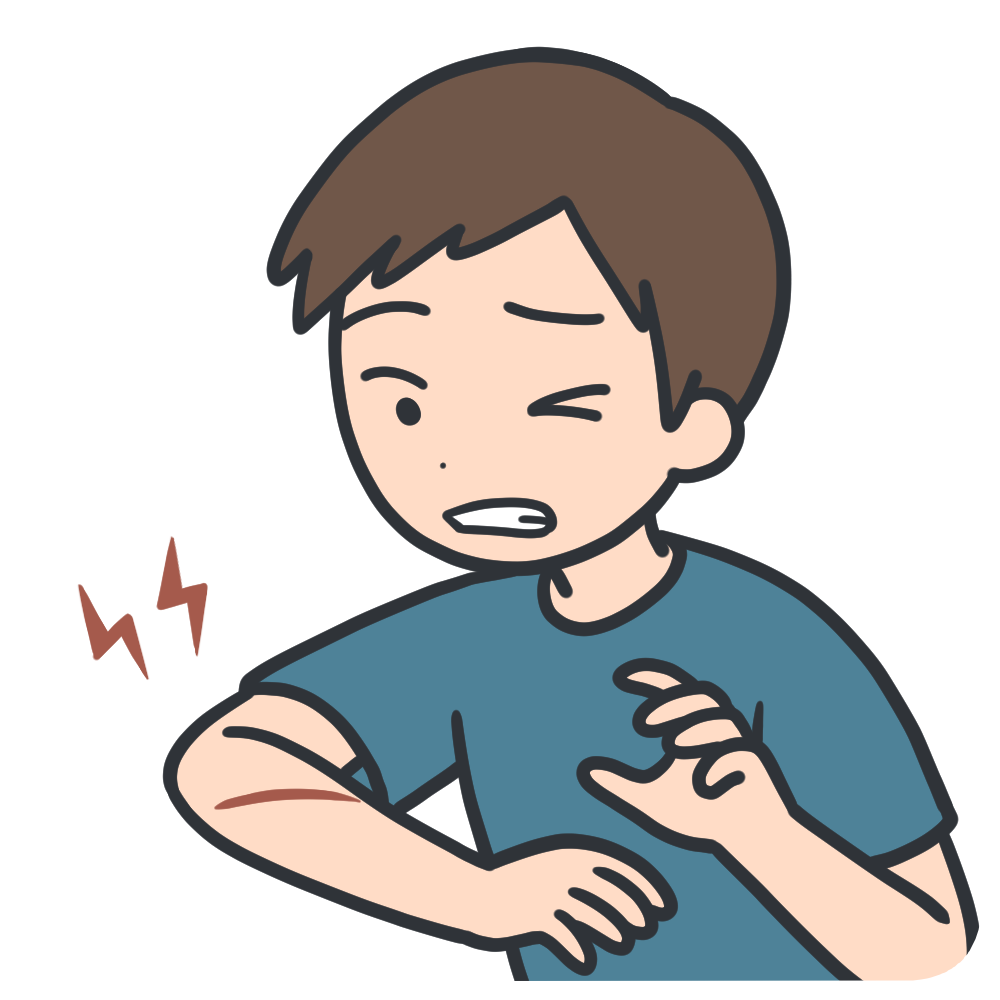
People with minor cuts
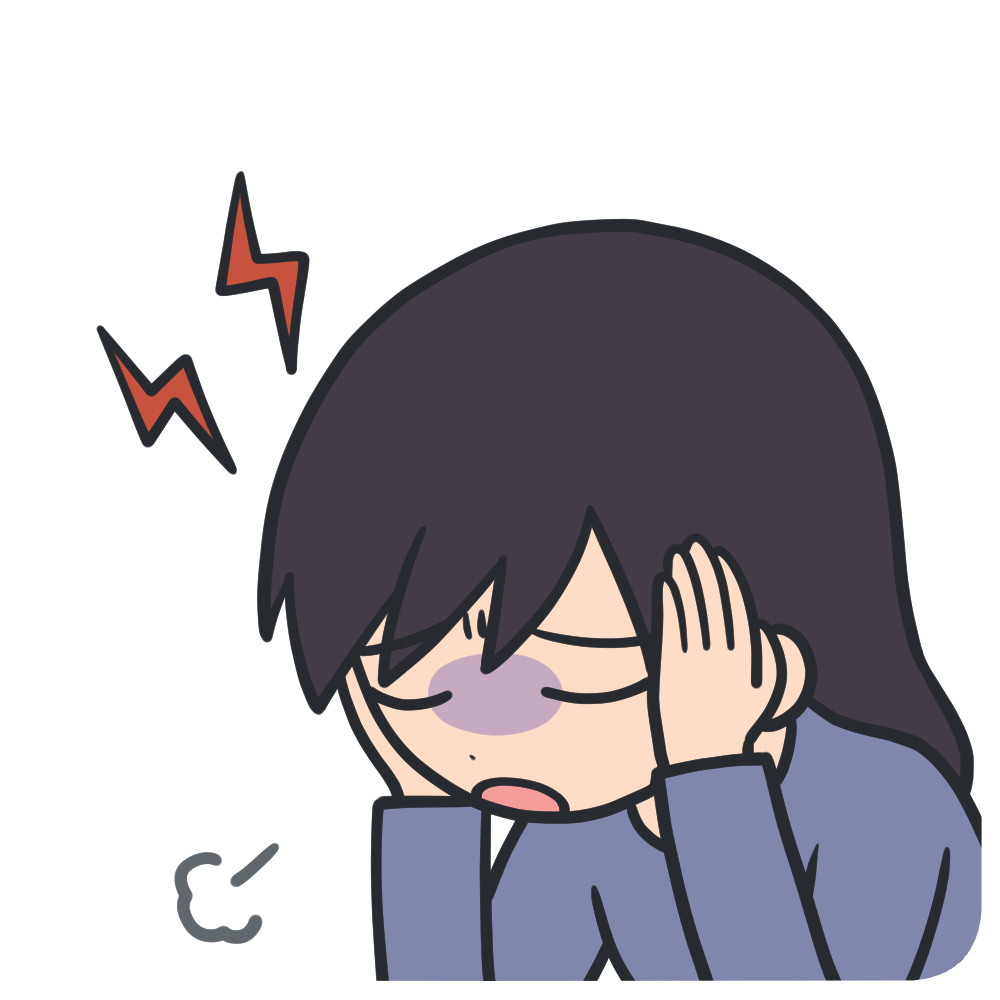
People feeling
stressed

People sensitive
to cold

People seeking firmer, more radiant skin
Indications by Spring Quality
(for bathing)
 Cuts
Cuts Peripheral circulatory disturbance
 Sensitivity to cold
 Depression
 Dry skin
General Indications (for bathing)
Chronic pains or stiffness of muscles or joints (chronic phase of rheumatoid arthritis, osteoarthritis, lower back pains, nerve pains, frozen shoulder, bruises, sprains, etc.), Muscle stiffness in motor paralysis, Sensitivity to cold, Peripheral circulatory disturbance, Gastrointestinal hypofunction (slow digestion, intestinal gas formation, etc.) Mild hypertension, Impaired glucose tolerance (diabetes), Mild hypercholesterolemia, Mild asthma or Emphysema, Hemorrhoidal pains, Autonomic instability, Various symptoms from stress (sleep disorders, depression, etc.), Restorative phase from illness, Recovery from fatigue, Health promotions
General Contraindications (for bathing)
Active stage of diseases (especially when fever is accompanied), Active tuberculosis, Advanced
malignant tumor or the case of significant debility involving severe anemia, Severe cardiac or lung
diseases involving suffocation feelings with a little movement, Severe kidney diseases involving
edema, Gastrointestinal bleeding, When bleeding is visible, Acute exacerbation stage of chronic
diseases
*There are no general indications or contraindications for drinking.
Onsen Power Chart
Large Public Bath “Roman-yu” Bathtub ② /
Private Baths “Pamukkale” and “Yawaragi”
→ 100% Natural Free-Flowing Hot Spring
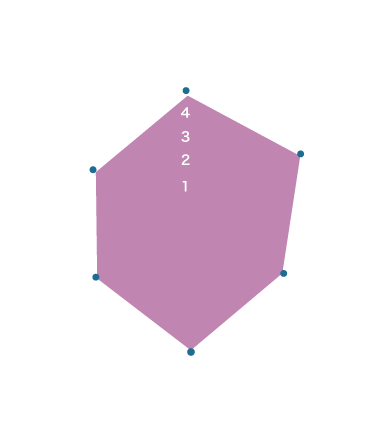

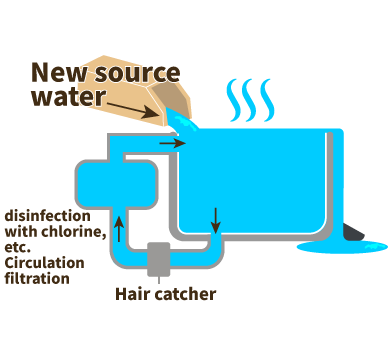
Large Public Bath “Roman-yu” Bathtub ①(Kihoseki bath)
→ Combination of Free-flowing hot spring water + Circulation and filtration system
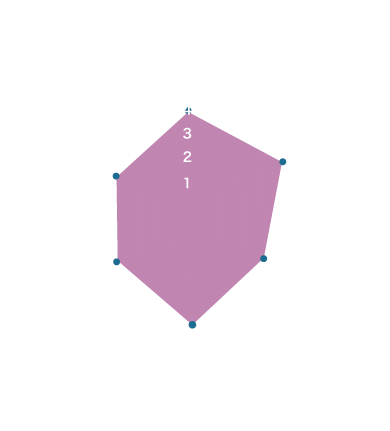
Hot Spring Beauty Benefits Chart
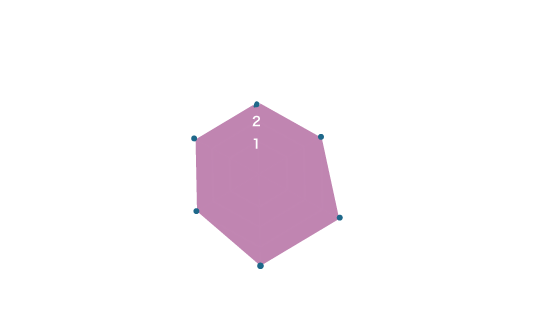
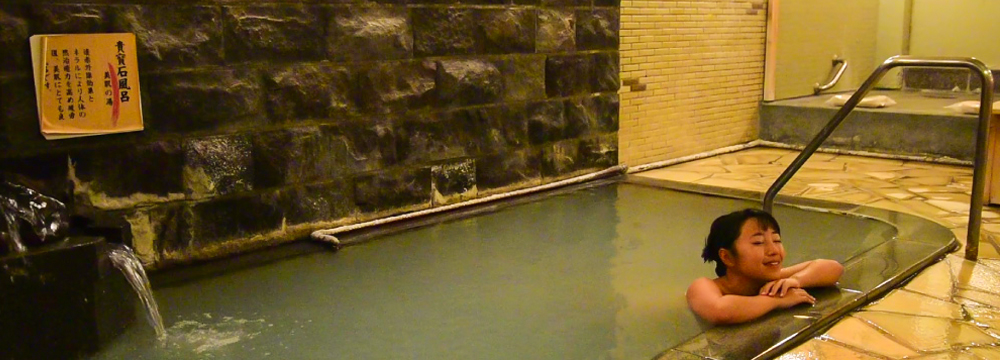
Large Public Bath “Roman-Yu” (Kihoseki Bath)
A bath with precious natural mineral kihoseki stones powder added to hot spring water. Kihoseki stones powder are characterized by their ability to emit far-infrared rays and negative ions. When crushed and mixed with hot spring water, they are expected to promote blood circulation, activate cells, and improve immunity.
Keywords of this Onsen
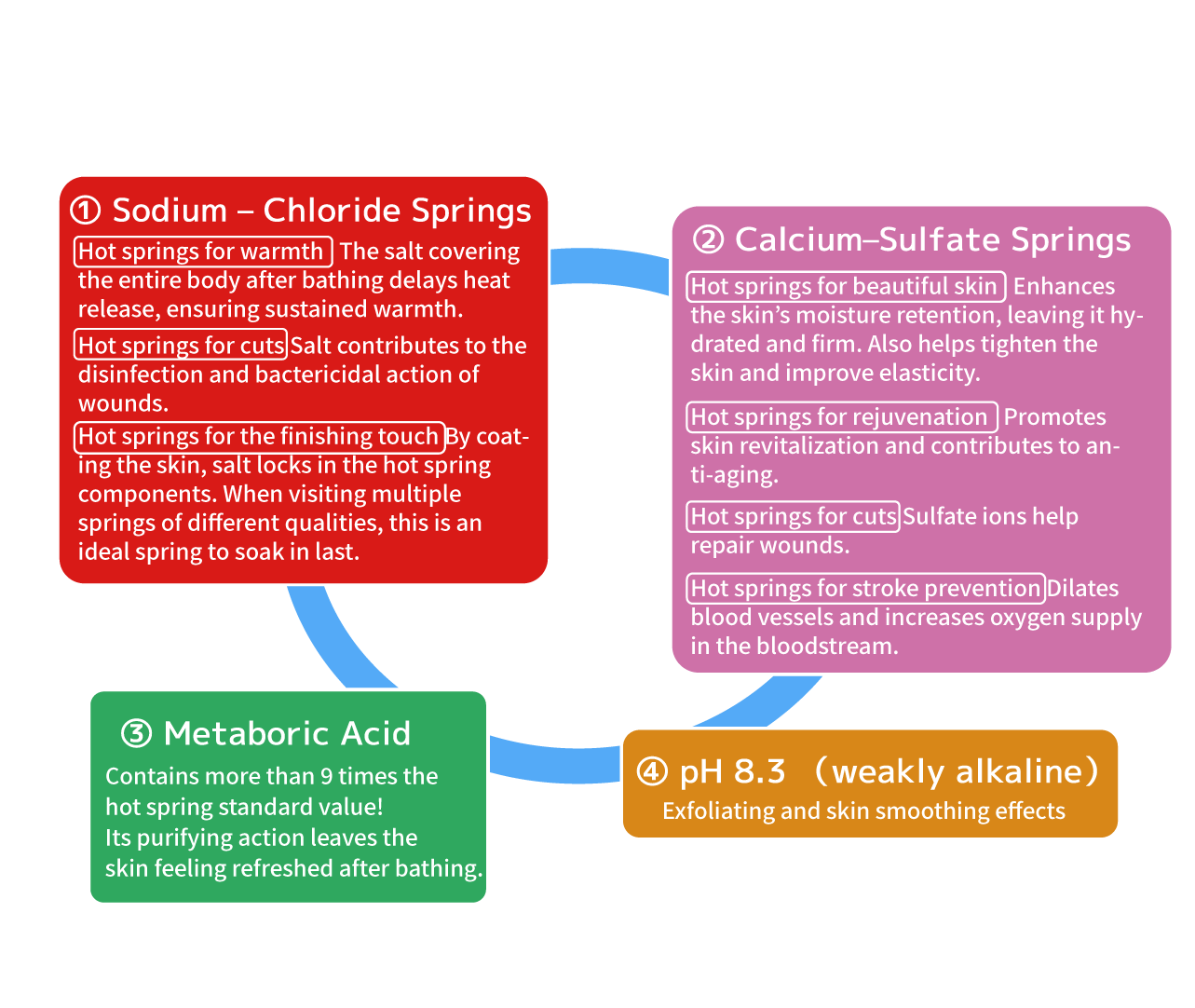
Indications by spring quality (For bathing)
Cuts・・・・③Metaboric acidhelps cleanse wounds,②Calcium – Sulfate springs promotes tissue regeneration, and①Sodium – Chloride springscontributes to disinfection.
Peripheral circulatory disturbance・・・②Calcium – Sulfate springs dilates blood vessels, and ①Sodium – Chloride springs prevents heat loss while promoting peripheral blood flow.
Sensitivity to cold・・・②Calcium – Sulfate springsdilates blood vessels to warm the body from within, and ①Sodium – Chloride springs locks in warmth with a protective salt layer.
Depression・・・②Calcium – Sulfate springsregulates the autonomic nervous system through improved circulation and sedative effects, while ①Sodium – Chloride springs promotes parasympathetic activity with lasting warmth, helping to relieve mental tension.
Dry skin・・・④pH7.6(Weakly alkaline)exfoliates dead skin cells to smooth the skin,②Calcium – Sulfate springsprovides rich hydration,⑤Metasilicic acidsupports moisture retention, and ①Sodium – Chloride springs helps retain moisture with a protective salt layer.
Indications by spring quality (For drinking)
Constipation・・・・①Sodium – Chloride springs and ②Calcium – Sulfate springs stimulate the intestines and help promote bowel movements.
Atrophic gastritis・・・①Sodium – Chloride springs promotes gastric juice secretion and supports digestion.
Biliary dysfunction・・・②Calcium – Sulfate springspromotes bile secretion and supports gallbladder and biliary function.る
Hypercholesterolemia・・・②Calcium – Sulfate springspromotes bile secretion and supports lipid and cholesterol metabolism.
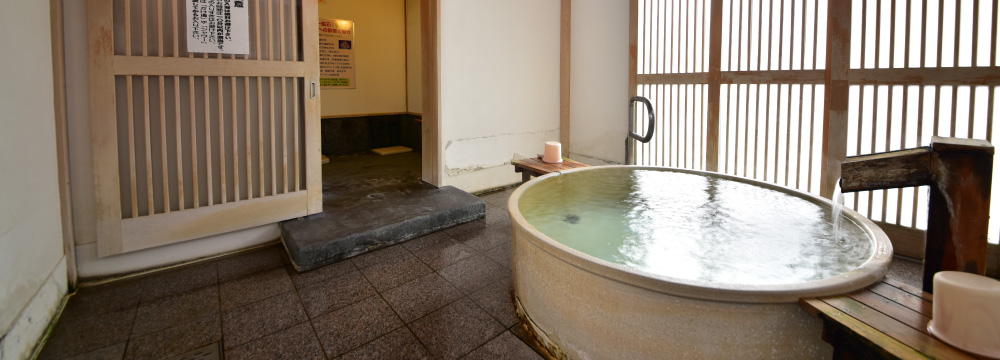
Large Public Bath “Kin-no-Yu” Shigaraki Ware Bath
The bath is 100% natutal free-flowing hot spring water. At times it may feel hot, but this is proof that the spring water is poured into the bathtub as it naturally gushes out. You can feel the most natural effects of the hot spring.
Onsen Classification
️Hot springs are classified not only by their spring quality, but also by three additional factors: osmotic pressure, hydrogen ion concentration (pH level), and spring temperature.
Osmotic Pressure
(Hypotonic, Weakly Alkaline, High temperature Spring)
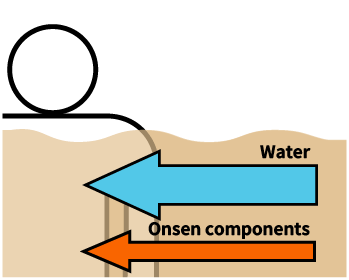
In hot spring classification, “osmotic pressure” refers to comparing the concentration of dissolved components in the spring water (mainly salts) with that of human body fluids (such as blood and intracellular fluid). Based on this comparison, springs are categorized as hypotonic, isotonic, or hypertonic. The difference in concentration serves as an indicator of how easily water moves between the hot spring water and body fluids.
Total Dissolved Substances
2,389 mg/kg
Classified as a Hypotonic spring
|
|||||
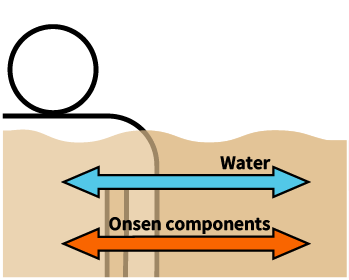 |
Isotonic 👤 Body fluid concentration ≒ ♨ Onsen concentration Water・・・Hardly moves into or out of the body Onsen components・・・Minimally absorbed and act gently on the body Isotonic means having the same osmotic pressure as human body fluids. It is equivalent to a saline solution made by dissolving approximately 8.8 g of salt in 1 liter of water. Because its concentration is close to that of body fluids, there is little movement of water or onsen components due to osmotic pressure. As a result, it is considered to place the least strain on the body and to be the gentlest in terms of stimulation. |
||||
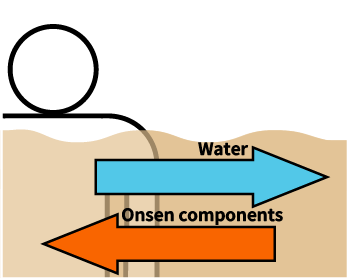 |
Hypertonic 👤 Body fluid concentration < ♨ Onsen concentration Water・・・Easily moves out of the body Onsen components・・・Easily absorbed into the body Because its osmotic pressure is higher than that of human body fluids (isotonic fluids), water tends to move out of the body more easily, while onsen components are more readily absorbed into the body. As a result, stronger therapeutic effects may be expected. However, hypertonic hot springs are also more likely to cause “hot spring fatigue (yu-atari)” and can be more physically demanding. They are generally regarded as “rich or highly concentrated hot springs”. Among Japanese hot springs, hypertonic springs are relatively uncommon, and a comparatively large proportion are classified as mineral springs (below 25°C) rather than hot springs (25°C or higher). |
||||
Hydrogen Ion Concentration
(Hypotonic, Weakly Alkaline, High temperature Spring)
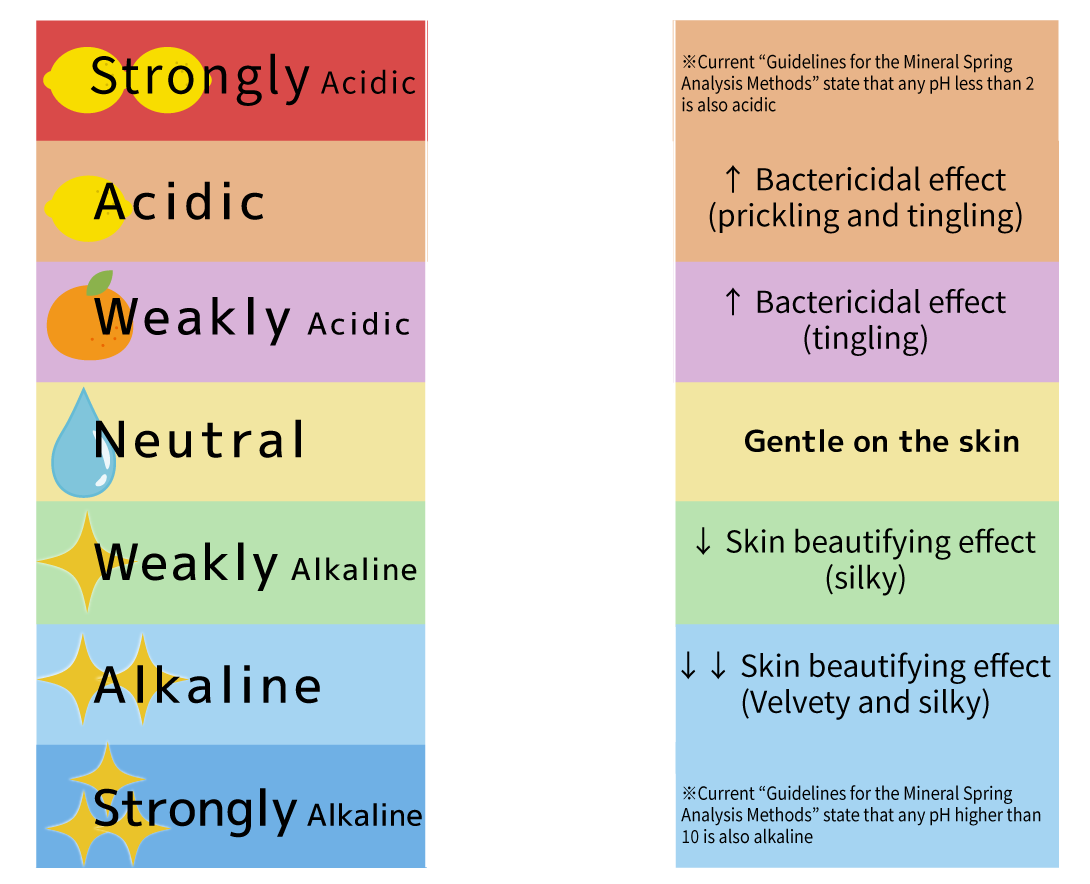
In the hot spring analysis report, the section titled “Examination and test results at gushing location” includes the listed pH value. Chemically, a pH of 7.0 is considered neutral; values below this are acidic, and values above it are alkaline. According to the “Guidelines for the Mineral Spring Analysis Methods”, the chemical nature of a mineral spring is classified based on its pH value at the time of emergence, as shown in the table below.
pH 7.6
Classified as Weakly Alkaline
Spring Temperature
(Hypotonic, Weakly Alkaline, High temperature spring)
62.8℃
Classified as Hot spring
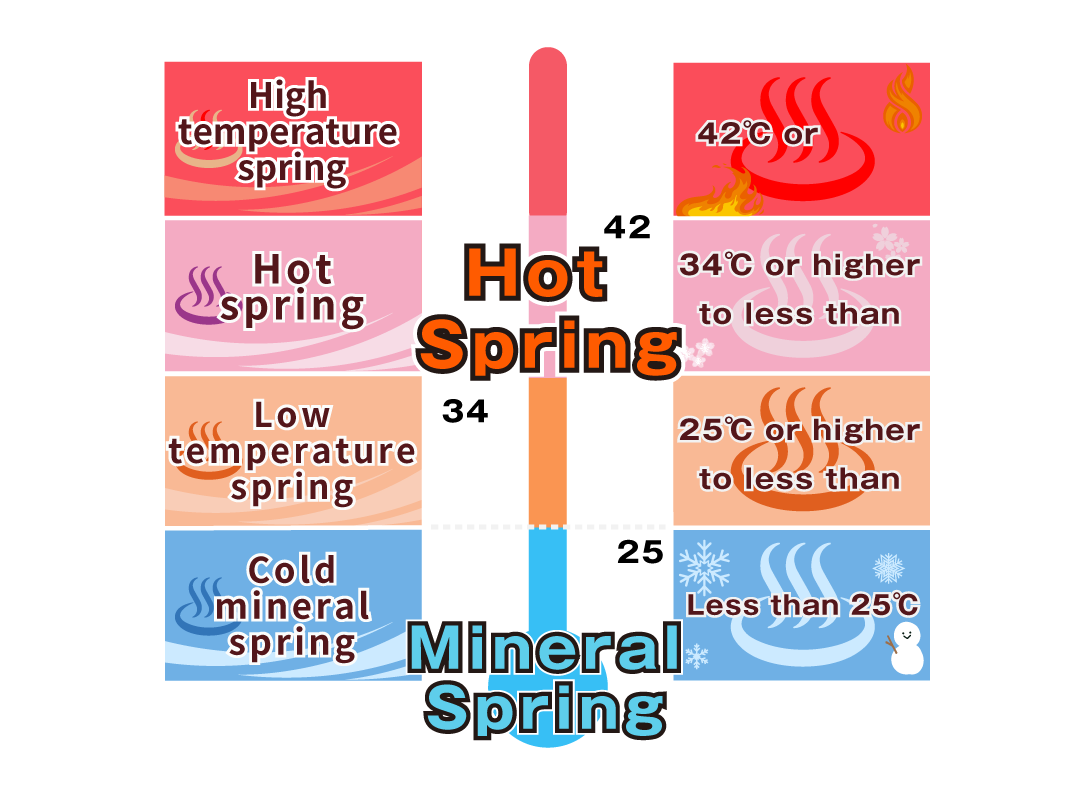
Under the “Hot Springs Act”, water that contains one or more designated substances at or above the legally specified levels and has a source temperature of 25°C or higher is classified as a “hot spring”. If the temperature is below 25°C, it is labeled a “mineral spring”. Furthermore, as noted above, hot springs are classified by source temperature as high-temperature spring, hot spring, or low-temperature spring.
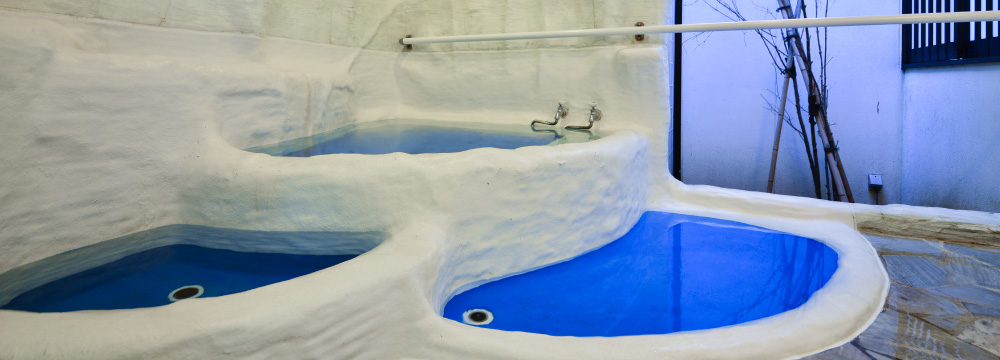
Private Bath “Pamukkale”
This bath is based on the motif of the “Hierapolis Pamukkale” World Heritage Site in Turkey. The bath was created by the same craftsmen who worked on Disneyland. It is sure to be one of the most memorable experiences of your stay at this inn.
Summary
The hot spring at “Arimakan” in Kaminoyama Onsen, Yamagata Prefecture, is classified as “Sodium, Calcium – Chloride / Sulfate springs (pH 7.6, Weakly alkaline)”. Combining the excellent heat-retaining, moisturizing, and bactericidal actions of chloride springs with the skin-revitalizing and circulation-promoting effects of sulfate springs, it has earned a reputation as “Hot springs for warmth”, “Hot springs for cuts”, and “Hot springs for rejuvenation” for its anti-aging benefits. It also helps regulate the autonomic nervous system and relieve mental stress. The hot spring water is also drinkable, and may help relieve constipation and gastrointestinal disorders. Although the water is colorless and clear, it contains a total of 2,389 mg/kg of dissolved substances, making it an impressive 16 to 24 times more concentrated than commercially available bath additives. Here, you can experience a truly mineral-rich “Hot springs for beautiful skin”.
Facility Data
| Founded in | 1921 |
|---|---|
| Check in | 3:00 PM |
| Check out | 10:00 AM |
| Location | Mountain / Town |
| Rooms | Total 35 rooms |
| Capacity | 120 people |
| Parking | 60 cars |
| Facilities | Banquet hall, Lounge, Cafe, Shop |
| Internet | Wi-Fi available |
| Barrier-free | Supported |
| Bidet toilet | Equipped |
Keywords for this inn
| Rooftop open-air bath overlooking the Zao mountain range and the Hot spring area |
| Unique private baths modeled after World Heritage sites |
| Hot spring department store where visitors can enjoy a variety of baths |
| Japanese modern suite available for anniversaries |
| Japanese-style creative kaiseki cuisine served in your room |
Hot Spring (Onsen) Report
| Kaminoyama Onsen, where “Arimakan” is located, is an area that uses a “centralized management” system for its hot springs. “Centralized management” system is a hot spring management system in which hot spring water is collected from each source well, mixed and stored in a storage tank, and then supplied to each facility. This system efficiently utilizes hot spring sources and stabilizes the quantity and quality ... Read more → |
Transportation Access
| By train | Get off at JR Yamagata Shinkansen Kaminoyama-Onsen Station, then a 10-minute walk or a 3-minute drive |
|---|---|
| Shuttle bus | Available [Shuttle service upon arrival at Kaminoyama-Onsen Station by phone reservation (for hotel guests only)] |
| By car | From Tokyo: About 10 minutes from Tohoku-Chuo Expressway Kaminoyama-Onsen IC From Sendai: About 30 minutes from Yamagata Expressway Yamagata-Zao IC |
| Address | Yamagata Prefecture/Kaminoyama Onsen/Arimakan 6-5 Shinyu, Kaminoyama city, Yamagata 999-3141, JAPAN +81-(0)23-672-2511 |