Kyushu > Nagasaki > Unzen Onsen
Excellent cloudy water, free-flowing spring water, and a cozy atmosphere
Unzen Fukudaya / Yama Terrace Bettei
雲仙福田屋/山照別邸
380-2 Unzen, Obama-cho, Unzen city, Nagasaki 854-0621, JAPAN
Phone:+81-(0)957-73-2151
Spring Quality
Acidic, Sulfur containing, Iron (Ⅱ,Ⅲ) ― Calcium ― Sulfate Springs (Hydrogen sulfide type)
酸性・含硫黄・鉄(Ⅱ ,Ⅲ ) ― カルシウム ― 硫酸塩泉(硫化水素型)
(Hypotonic, Acidic, High temperature spring)
The Milky Spring Quartet: Four Distinct Spring Qualities in Harmony, Infusing Body and Soul
Hot springs are believed to form when rainwater or snowmelt seeps underground, or when ancient seawater becomes trapped deep within the earth. Heated by magma or the earthʼs internal heat, this water dissolves minerals from underground rocks and slowly rises to the surface over years—or even tens of thousands of years.
Onsen Components
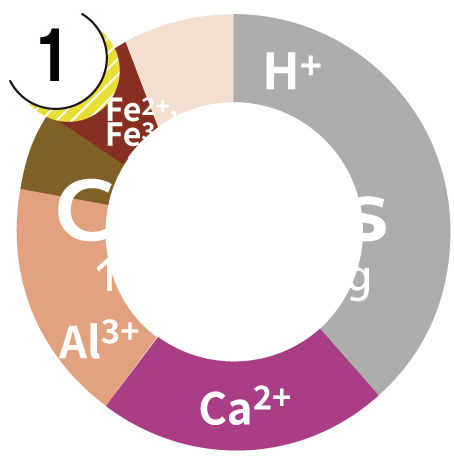
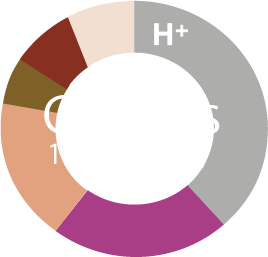
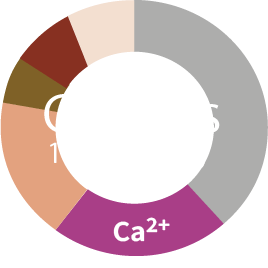
* % values are simplified representations of mval%.
5.1 mg/kg
38.45 mval%
■ The main component of acidic springs (pH 2.3), which are believed to support insulin function and help improve impaired glucose tolerance (diabetes)
■ The main component of “Hot springs for skin conditions”, helping to suppress acne and eczema through its powerful bactericidal effect
■ Provides a natural peeling effect by dissolving and removing old dead skin cells
■ Creates an acidic environment that helps tighten the skin
■ Stimulates skin renewal and promotes healthy cell turnover
58.1 mg/kg
21.95 mval%
■ Promotes the formation and regeneration of the stratum corneum
■ Helps soothe pain and inflammation
■ Regulates the contraction and dilation of blood vessels
■ Strengthens the skin’s barrier function
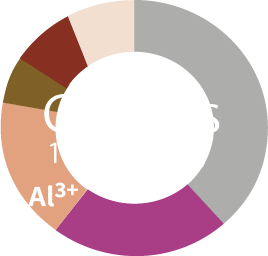
21.0 mg/kg
17.65 mval%
■ Provides a skin-tightening and pore-tightening effect (astringent action)
■ Leaves the skin feeling firm and refreshed after bathing
■ Helps suppress exudate (oozing discharge) from inflamed or irritated sk
■ Provides an antiperspirant effect
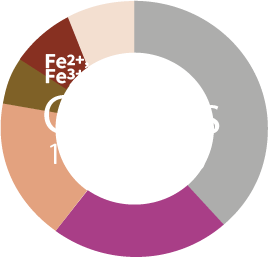
20.7 mg/kg
5.60 mval%
■ The component responsible for classifying the spring as an iron-containing spring
■ The main component of “Hot springs for women”, traditionally believed to be beneficial for anemia, menstrual disorders, and menopausal disorders
■ One of the components that make up “Ryokuban-sen” (Vitriol Spring), a former spring classification known as a “Hot spring for skin conditions” due to its strong bactericidal properties
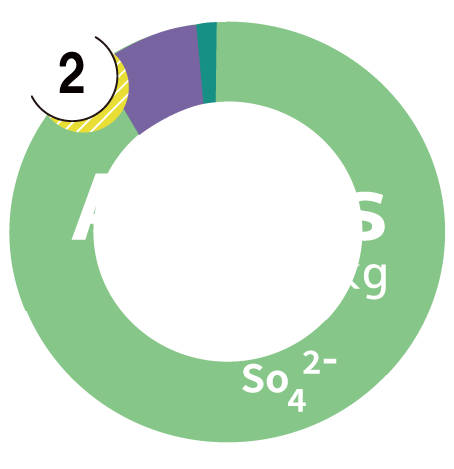
* % values are simplified representations of mval%.
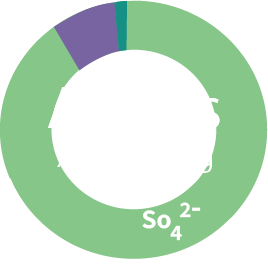
590.2 mg/kg
90.75 mval%
■ Dilates blood vessels and promotes circulation to the extremities
■ The warming effect from increased blood flow helps regulate the autonomic nervous system
■ Promotes skin metabolism, improving firmness and elasticity
■ Supports recovery from skin issues such as dry skin and minor cuts
■ The main component of Sulfate springs, known as one of the “Hot springs for beautiful skin”
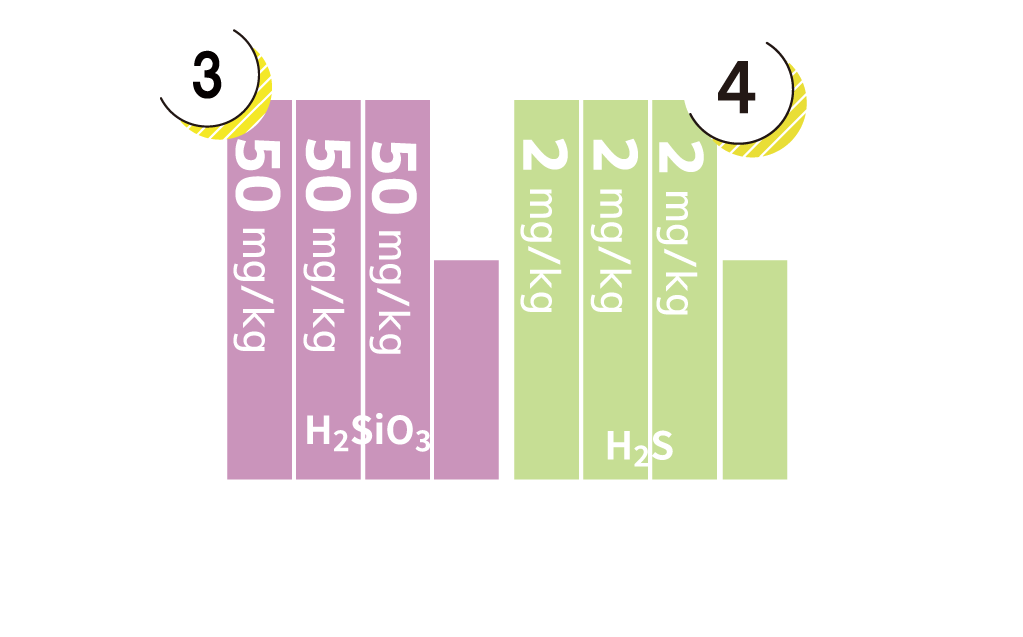
*The bars for Metasilicic acid 50 mg/kg and Free Hydrogen Sulfide 2 mg/kg represent the qualification criteria for hot springs. The number of bars indicates values such as “more than XX times the hot spring standard” or “about XX times the hot spring standard”.
 Metasilicic Acid 180.2 mg/kg
■ Natural moisturizing component
■ About 3.6 times the hot spring standard (50 mg/kg)
Free Hydrogen Sulfide 7.3 mg/kg■ The component responsible for the characteristic “rotten egg” odor of sulfur springs
■ The main component of “Hot springs for skin conditions”, helping to relieve symptoms of skin disorders through its powerful antibacterial and anti-inflammatory properties
■ Hydrogen sulfide is absorbed through the skin, dilating peripheral blood vessels and improving circulation
■ The main component of “Inhalation springs” and “Hot springs to help clear phlegm”, helping to ease asthma symptoms and improve mucus clearance
■ Helps remove excess sebum and is beneficial for acne-prone and oily skin
■ The main component of “Hot springs for beautiful skin and prevention of dark spots”, helping to suppress melanin production and promote skin-brightening effects
■ Helps remove excess sebum and is beneficial for acne-prone and oily skin
■ Contains approximately3.5 times the standard threshold required for classification as a sulfur spring (2 mg/kg or more of total sulfur)
 +
+ +
+
Total Dissolved Substances
(excluding gaseous)
1,029 mg/kg
 7-10 times more components than commercial bath additives!

Hydrogen Ion
Concentration
pH 2.3
Acidic
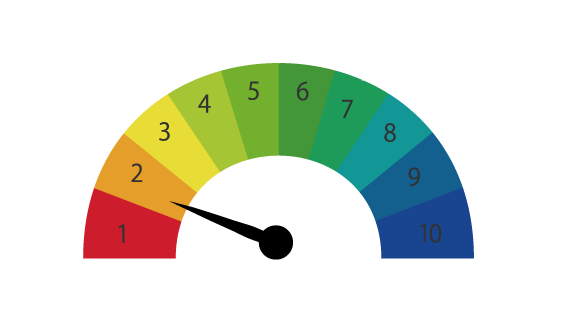
Spring Temperature
52.0 ℃
■ Two hot spring sources with different temperatures are blended to achieve the ideal bathing temperature
Color / Aroma
Immediately after discharge

Almost clear and colorless
After some time

Slightly yellow to slightly milky

Rotten egg-like odor
(hydrogen sulfide odor)
Hot Spring Flow Rate
240 L/min
(Private source ・
Mixed Hot Spring Sources /
Naturally Flowing)

Hot spring water usage per person (spring discharge / maximum capacity)
→ 240 L ÷ 100 guests =2.4 L / per minute
*To meet the requirements for kakenagashi (flowing directly from the source),
at least 1 liter of hot spring water per minute per bather
is required for proper bath management
Status of Source Utilization
| Water added | Heated | Disinfected | Circulated | Bath additives |
|---|---|---|---|---|
| No | No | No | No | No |
*All baths are 100% natural free-flowing hot spring water
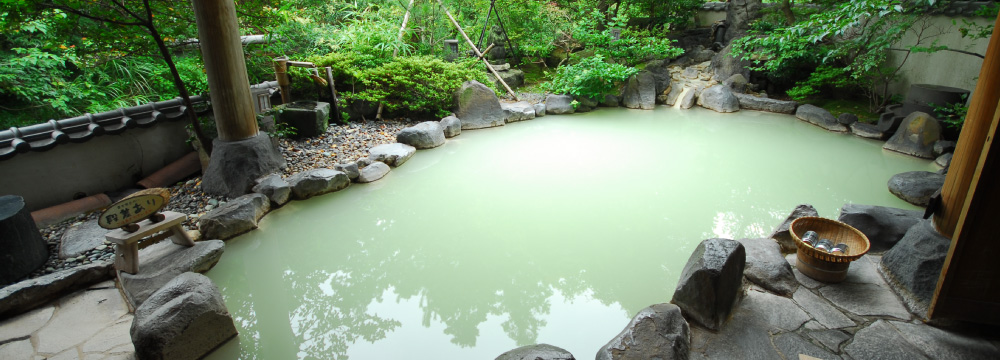
Large Public Open-air Bath “Seseragi-no-Yu”
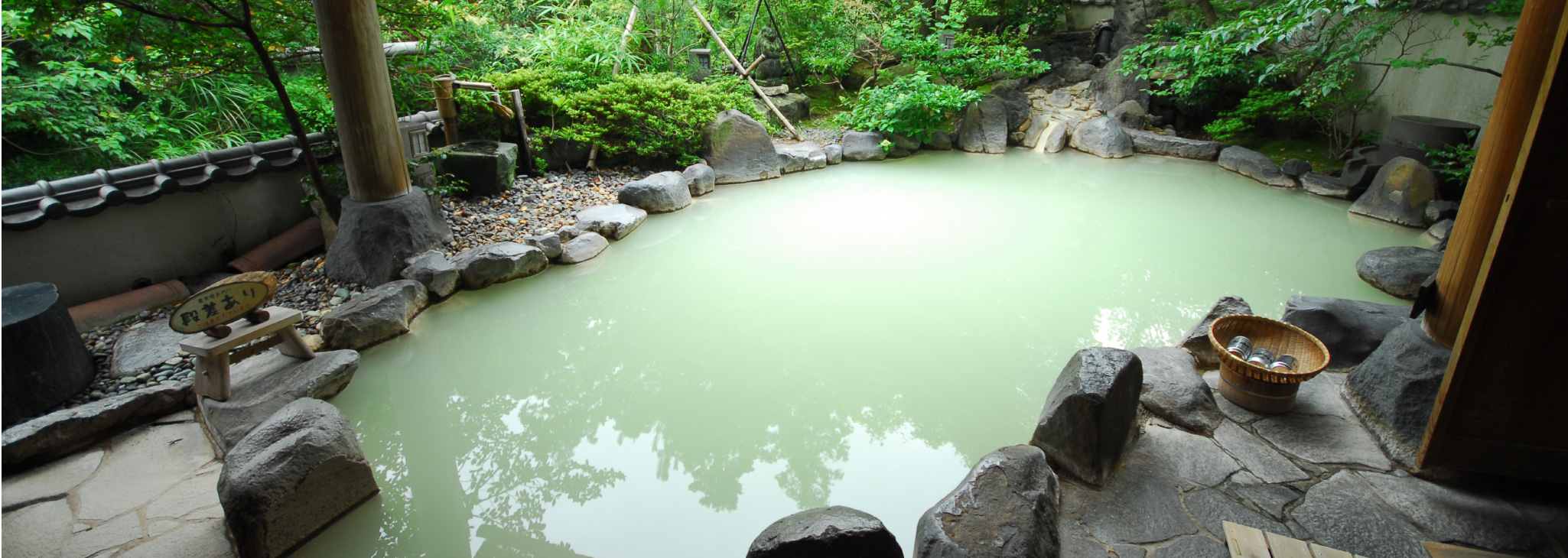
The large public open-air baths are rock baths with a wild atmosphere. Surrounded by lush greenery, the contrast between the cloudy white hot spring water is beautiful. The open atmosphere will allow you to enjoy a superb bathing experience.
Skin Feeling Gauge
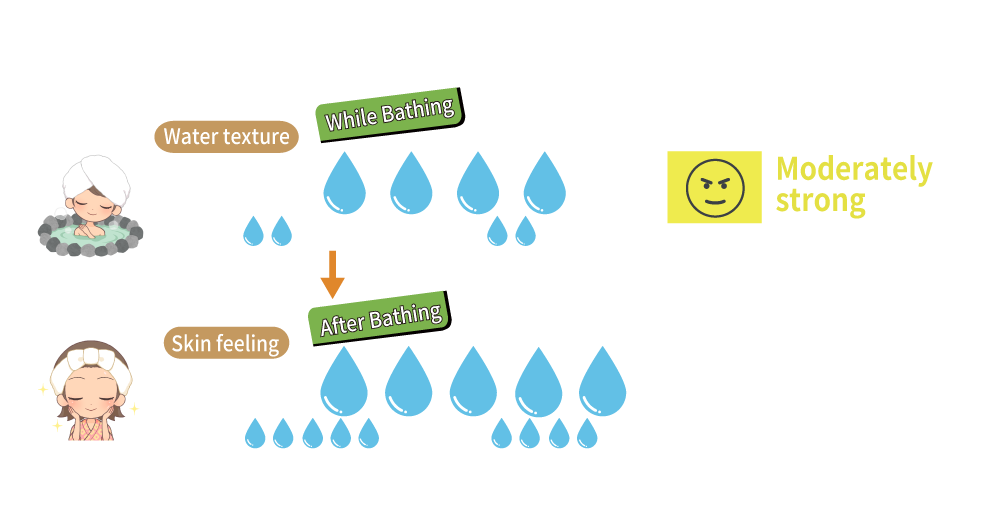
Ideal for:

People with skin conditions (e.g., atopic dermatitis)

People with lifestyle-related conditions (e.g. diabetes)
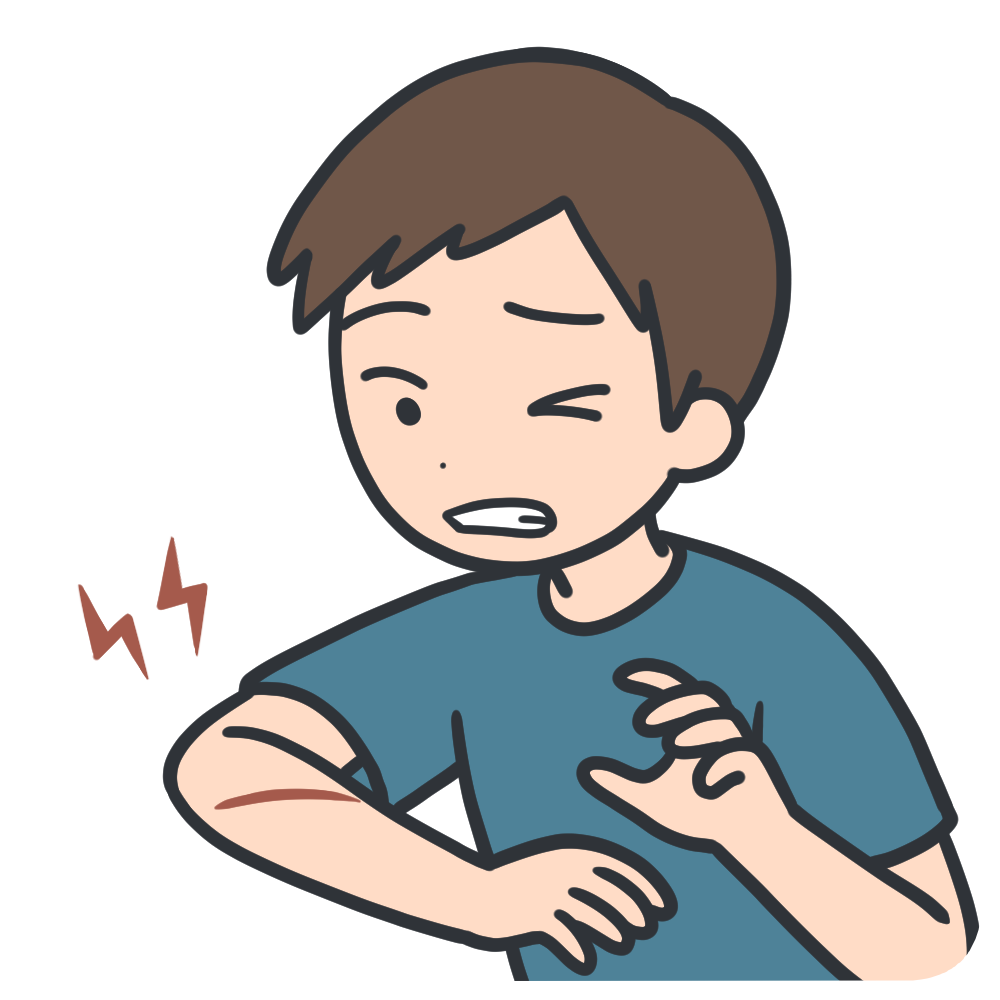
People with minor cuts

People interested in skin-beautifying effects
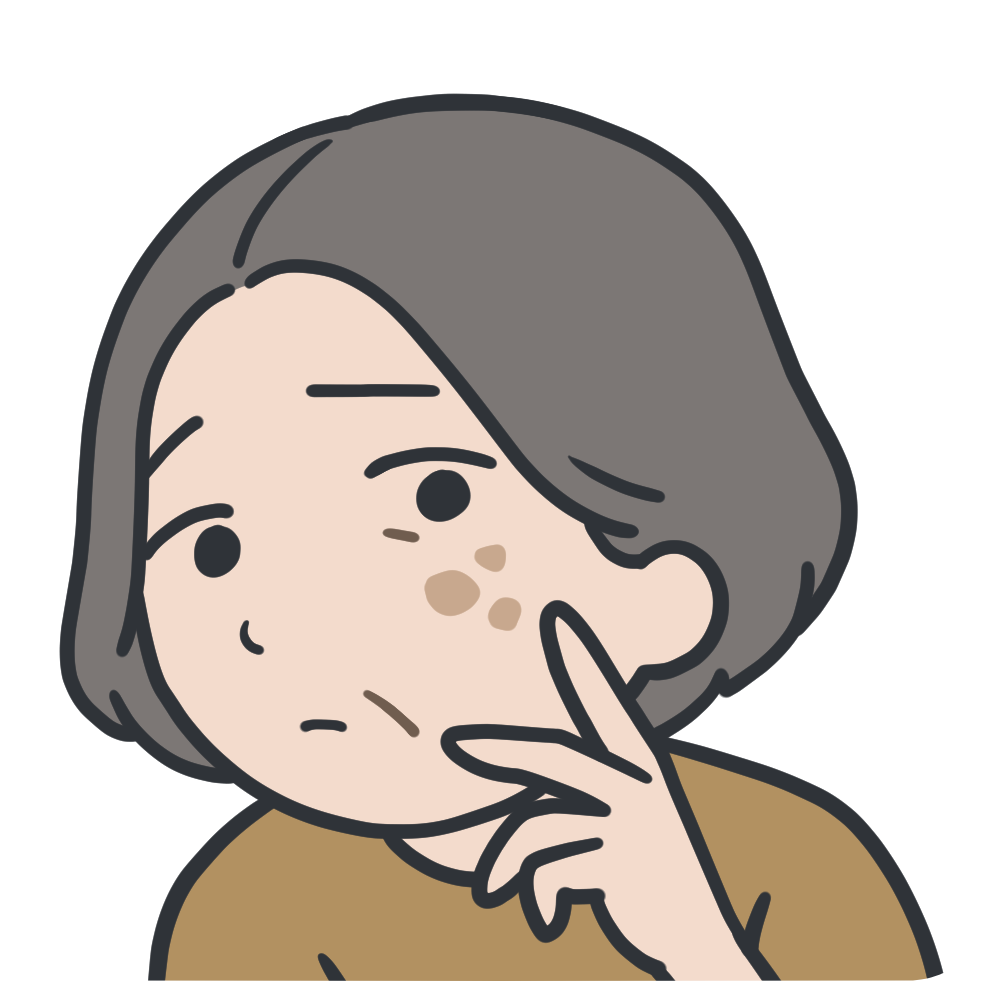
People concerned about dark spots

People looking to improve skin firmness and radiance
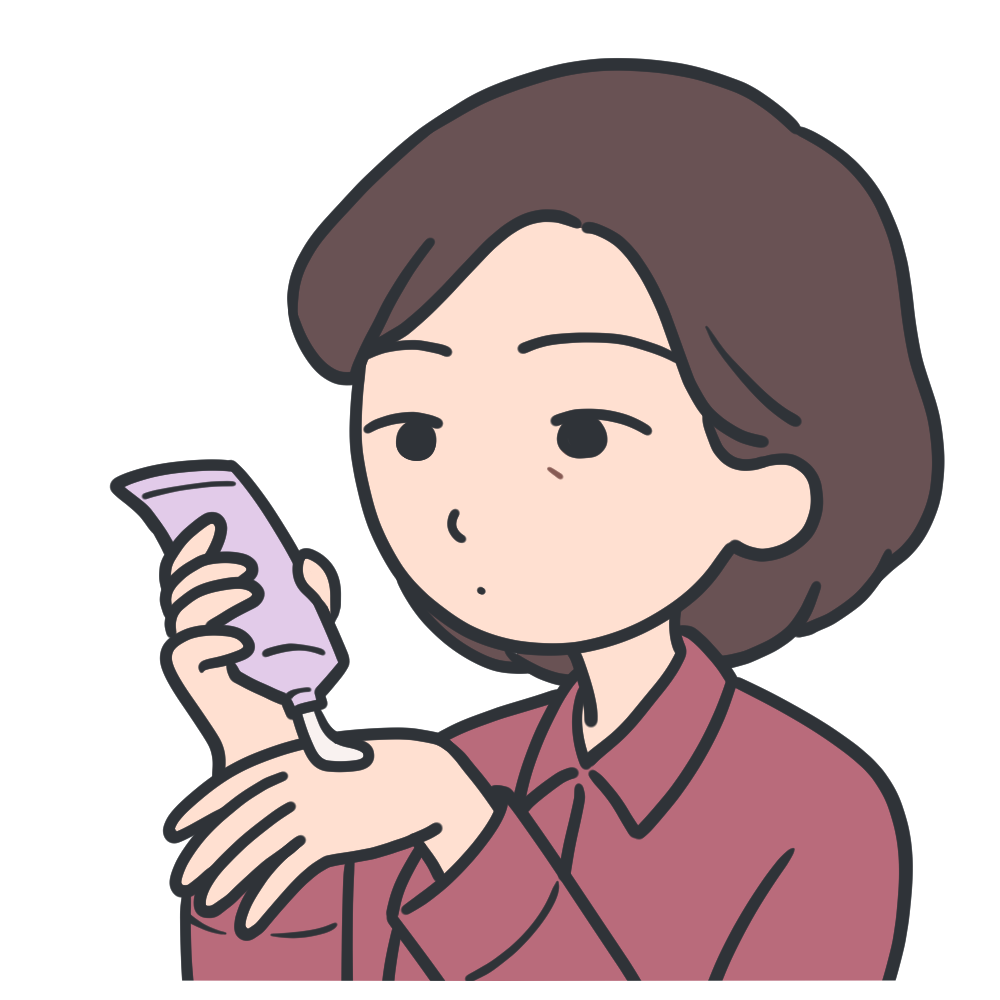
People with dry skin

People sensitive to cold

People looking to relax and relieve stress

Indications by Spring Quality
(for bathing)
 Plaque psoriasis
 Chronic eczema
 Atopic dermatitis
 Epidermal suppuration
 Impaired glucose tolerance (diabetes)
 Cuts
Cuts Peripheral circulatory disturbance
 Sensitivity to cold
 Depression
 Dry skin
General Indications (for bathing)
Chronic pains or stiffness of muscles or joints (chronic phase of rheumatoid arthritis, osteoarthritis, lower back pains, nerve pains, frozen shoulder, bruises, sprains, etc.), Muscle stiffness in motor paralysis, Sensitivity to cold, Peripheral circulatory disturbance, Gastrointestinal hypofunction (slow digestion, intestinal gas formation, etc.) Mild hypertension, Impaired glucose tolerance (diabetes), Mild hypercholesterolemia, Mild asthma or Emphysema, Hemorrhoidal pains, Autonomic instability, Various symptoms from stress (sleep disorders, depression, etc.), Restorative phase from illness, Recovery from fatigue, Health promotions
General Contraindications (for bathing)
Active stage of diseases (especially when fever is accompanied), Active tuberculosis, Advanced malignant tumor or the case of significant debility involving severe anemia, Severe cardiac or lung diseases involving suffocation feelings with a little movement, Severe kidney diseases involving edema, Gastrointestinal bleeding, When bleeding is visible, Acute exacerbation stage of chronic diseases
*There are no general indications or contraindications for drinking.
Contraindications by spring quality (for bathing)
Hypersensitive skin or mucous membranes, Dry skin in the elderly
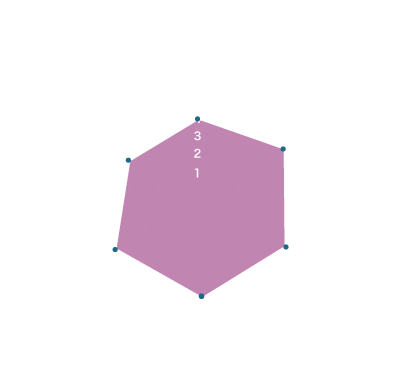
Onsen Power Chart
→ 100% natural free-flowing hot spring water

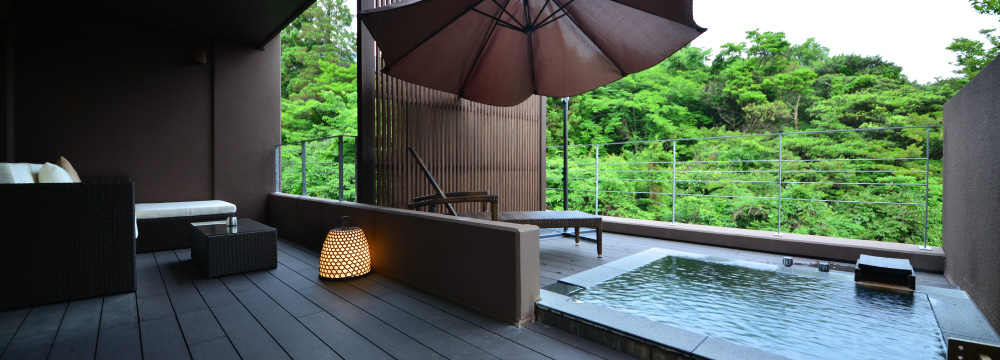
Guest room Open-air Bath at Yama Terrace Bettei “Fuku”
The open-air bath in the highest grade guest room “Fuku” at Yama Terrace Bettei. The spacious open-air bath offers a sense of freedom and an “extraordinary” luxury experience. Of course, the source of the spring water is 100% free-flowing, but be careful not to take a long soak.
Keywords of this Onsen
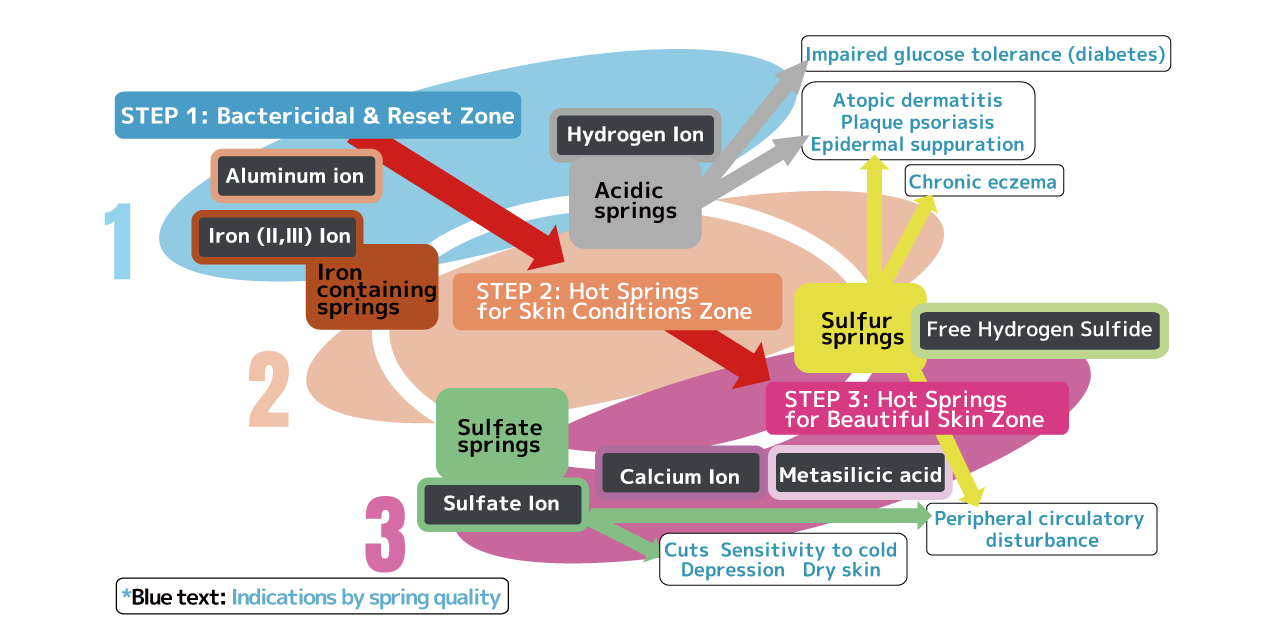
This hot spring is believed to work in the following three stages:
STEP 1: Bactericidal & Reset Zone(Cleanse and reset the skin through powerful bactericidal action)
Acidic springHydrogen ionswith bactericidal and peeling effects / Aluminum ions that help
tighten the skin and pores / Iron-containing springIron (Ⅱ,Ⅲ) ions known as “Hot springs for women”
STEP 2: Hot Springs for Skin Conditions Zone( Soothe skin troubles and inflammation)
Acidic springHydrogen ionswith a powerful bactericidal effect / Sulfur springFree hydrogen sulfide with antibacterial and anti-inflammatory properties / Iron-containing springIron (Ⅱ,Ⅲ) ions ,
known as “Hot springs for women” / Sulfate springSulfate ions, known as “Hot springs for cuts”
due to its anti-inflammatory effects
STEP 3: Hot Springs for Beautiful Skin Zone( Beautify and refine the skin)
Sulfur spring Free hydrogen sulfideSulfur springFree hydrogenknown for its skin-brightening and dark spot prevention
benefits / Sulfate springSulfate ions associated with wrinkle prevention and skin revitalization /
Calcium ionsthat strengthen the skin's barrier function / that provides rich
hydration and moisturizing effects
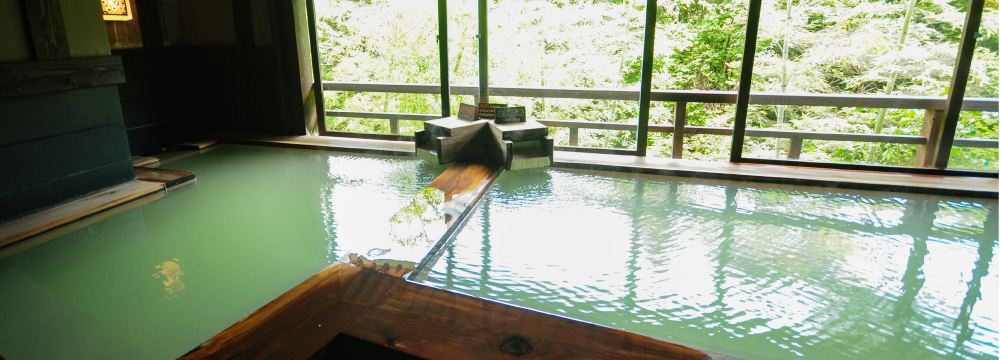
Large public baths for men and women “Hakuun-no-Yu”
The large baths for men and women are named after the mysterious small pond “Hakuun-no-ike” located a 15-minute walk from the inn. The baths are divided into two bathtubs, one hot and one warm, allowing you to bathe at the temperature of your choice.
Onsen Classification
️Hot springs are classified not only by their spring quality, but also by three additional factors: osmotic pressure, hydrogen ion concentration (pH level), and spring temperature.
Osmotic Pressure
(Hypotonic, Acidic, High temperature spring)
In hot spring classification, “osmotic pressure” refers to comparing the concentration of dissolved components in the spring water (mainly salts) with that of human body fluids (such as blood and intracellular fluid). Based on this comparison, springs are categorized as hypotonic, isotonic, or hypertonic. The difference in concentration serves as an indicator of how easily water moves between the hot spring water and body fluids.
Total Dissolved Substances
1,029 mg/kg
Classified as a Hypotonic spring
|
|||||
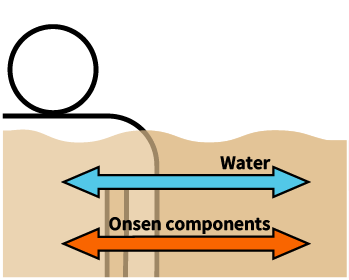 |
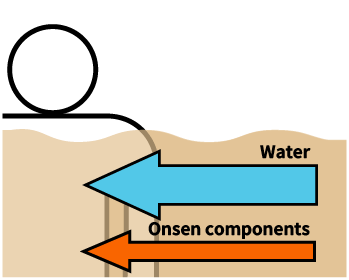
Isotonic 👤 Body fluid concentration ≒ ♨ Onsen concentration Water・・・Hardly moves into or out of the body Onsen components・・・Minimally absorbed and act gently on the body Isotonic means having the same osmotic pressure as human body fluids. It is equivalent to a saline solution made by dissolving approximately 8.8 g of salt in 1 liter of water. Because its concentration is close to that of body fluids, there is little movement of water or onsen components due to osmotic pressure. As a result, it is considered to place the least strain on the body and to be the gentlest in terms of stimulation. |
||||
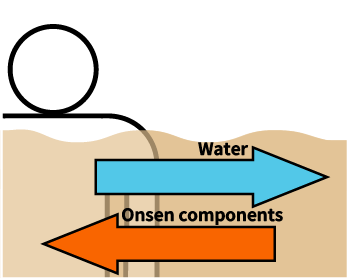 |
Hypertonic 👤 Body fluid concentration < ♨ Onsen concentration Water・・・Easily moves out of the body Onsen components・・・Easily absorbed into the body Because its osmotic pressure is higher than that of human body fluids (isotonic fluids), water tends to move out of the body more easily, while onsen components are more readily absorbed into the body. As a result, stronger therapeutic effects may be expected. However, hypertonic hot springs are also more likely to cause “hot spring fatigue (yu-atari)” and can be more physically demanding. They are generally regarded as “rich or highly concentrated hot springs”. Among Japanese hot springs, hypertonic springs are relatively uncommon, and a comparatively large proportion are classified as mineral springs (below 25°C) rather than hot springs (25°C or higher). |
||||
Hydrogen Ion Concentration
(Hypotonic, Acidic, High temperature spring)
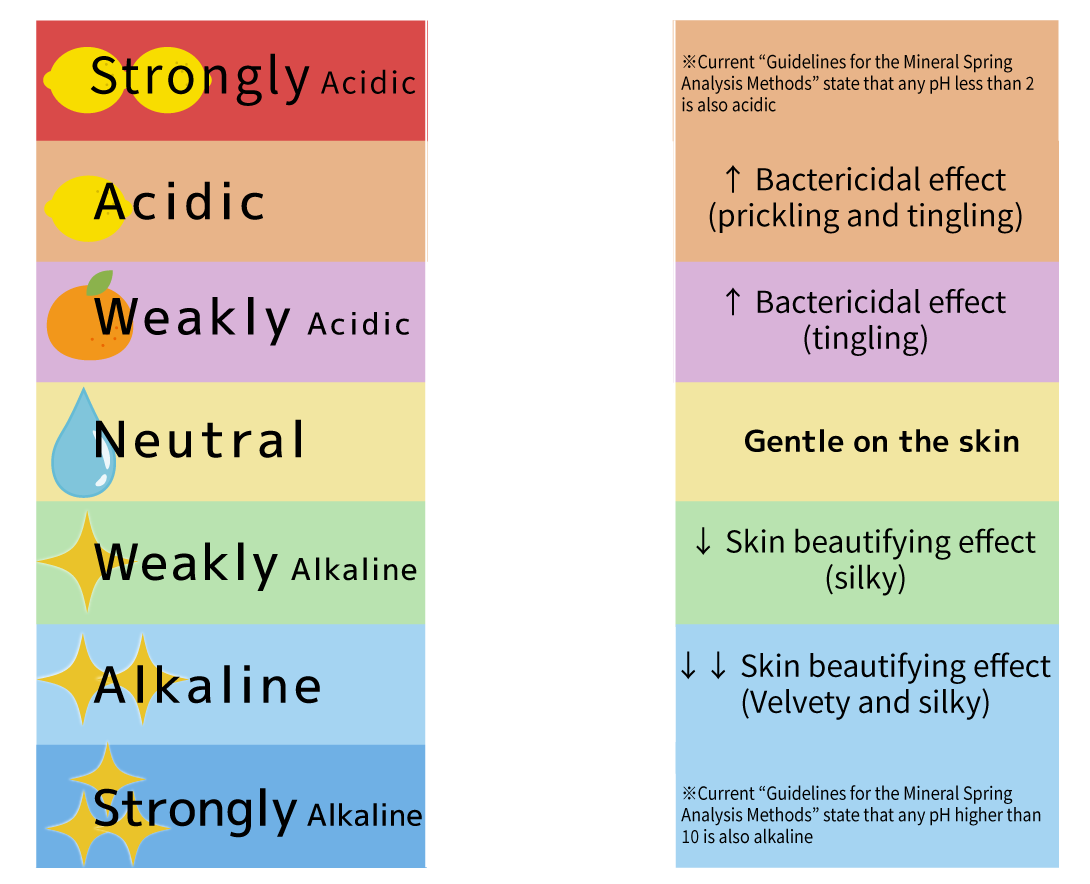
In the hot spring analysis report, the section titled “Examination and test results at gushing location” includes the listed pH value. Chemically, a pH of 7.0 is considered neutral; values below this are acidic, and values above it are alkaline. According to the “Guidelines for the Mineral Spring Analysis Methods”, the chemical nature of a mineral spring is classified based on its pH value at the time of emergence, as shown in the table below.
pH 2.3
Classified as Acidic
Spring Temperature
(Hypotonic, Acidic, High temperature spring)
52.0℃
Classified as High temperature spring
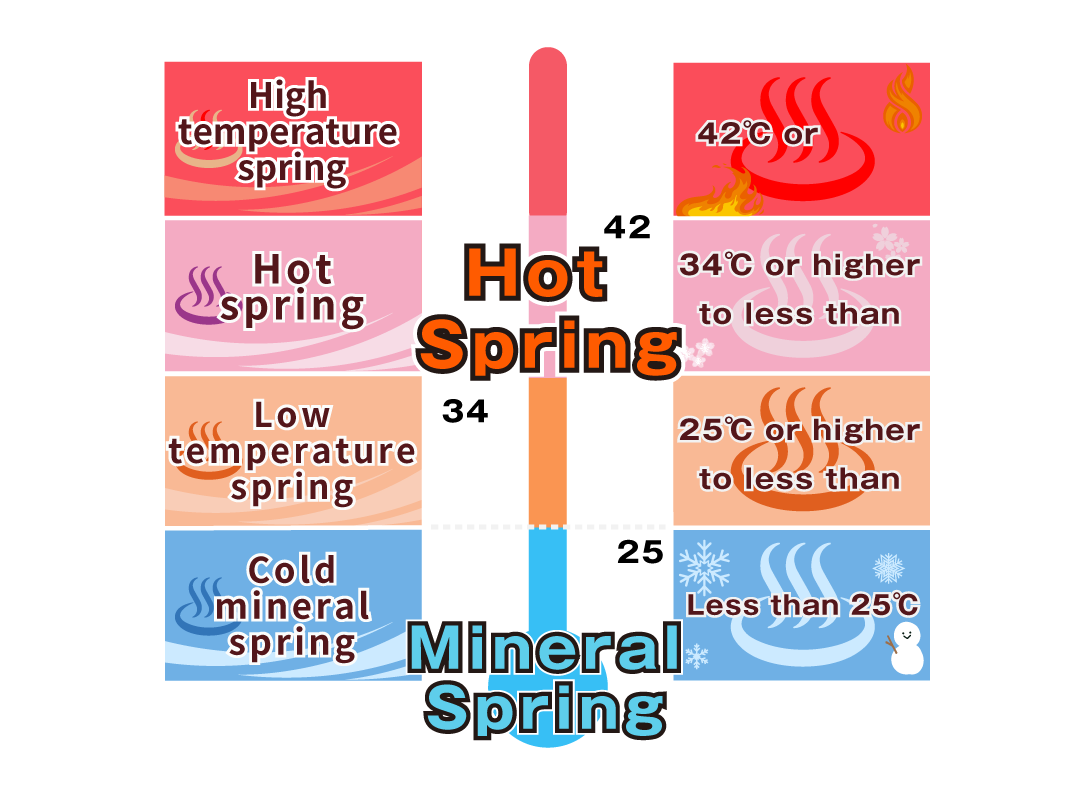
Under the “Hot Springs Act”, water that contains one or more designated substances at or above the legally specified levels and has a source temperature of 25°C or higher is classified as a “hot spring”. If the temperature is below 25°C, it is labeled a “mineral spring”. Furthermore, as noted above, hot springs are classified by source temperature as high-temperature spring, hot spring, or low-temperature spring.
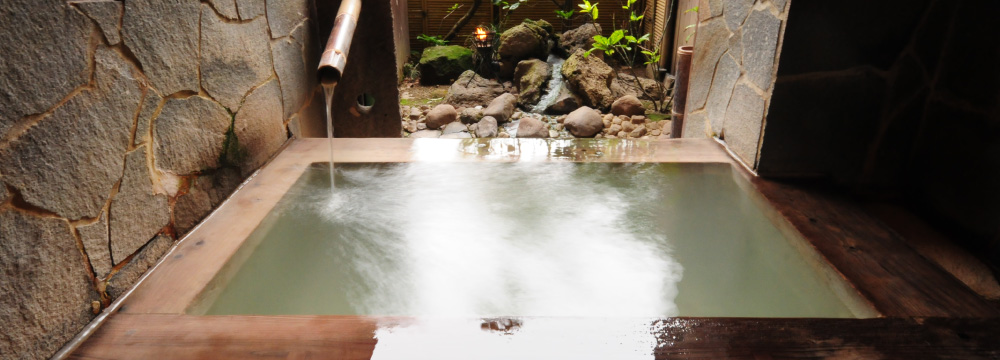
Private bath “Hinoki-no-Yu”
A half-open-air type private bath with a roof. The hinoki cypress bathtubs create a relaxing atmosphere. Reservations are required for overnight guests, and they are available free of charge.
Facility Data
| Founded in | 1968 (Showa 43) |
|---|---|
| Check in | 3:00 PM |
| Check out | 10:00 AM |
| Location | Mountain / Town |
| Rooms | All 34 rooms |
| Capacity | 100 persons |
| Parking | Available for 50 cars |
| Facilities | Store, Cafe, Bar, Table Tennis Corner, Private gymnasium |
| Internet | Wi-Fi available |
| Barrier-free | Not supported |
| Bidet toilet | Equipped |
Hot Spring (Onsen) Report
| Hot spring at “Unzen Fukudaya” is a private source and gushes naturally from the site. Naturally gushing means that the hot spring water is gushing to the surface of the ground without the need for mechanical power pumping. Although there are many source wells in Japan, only a few of them are naturally・・・ Read more → |
Transportation Access
| By train | ・By airplane Nagasaki Airport - Unzen by bus via Obama (about 115 min.) ・By JR train JR Isahaya Station - Unzen, Obama, Kuchinotsu direction bus to "Unzen" (about 75 minutes) |
|---|---|
| By car | From Hakata・・・Nagasaki Expressway - Isahaya IC - Route 57 (2 hours and a half) From Kumamoto・・・Board a ferry at Kumamoto Shinko - Shimabara Port - Route 57 (2 hours) |
| Address | Nagasaki/Unzen Onsen/Unzen Fukudaya/Yama Terrace Bettei 380-2 Unzen, Obama-cho, Unzen city, Nagasaki 854-0621, JAPAN Phone:+81-(0)957-73-2151 |